Vegetable oils are an important part of the modern diet because they provide energy, essential fatty acids and help absorb fat-soluble vitamins (A, D, E and K). They differ in composition, stability at temperature and method of use, so not all oils are equally suitable for frying, cooking or cold use. Some oils are stable at high temperatures and safe for cooking, while others are best when used raw, in salads or as an addition to prepared dishes.
The safe use of oil in food depends on the quantity, quality and method of use. The most important thing is to choose unrefined and cold-pressed oils when possible, avoid heating the same oil multiple times, and strike a balance between different sources of fat, especially omega-3 and omega-6 fatty acids. The correct choice and combination of oils can support the health of the heart, hormones, skin and overall metabolism, while at the same time reducing the body’s burden of oxidative products from overheated fats.
SUNFLOWERS OIL ....
A good source of vitamin E, which acts as an antioxidant
It helps protect cells from oxidative stress
It contains unsaturated fatty acids that can contribute to heart health
It can support the normal function of the immune system
It is easily digestible and suitable for daily use in the diet
It has a neutral taste, so it does not change the aroma of food
Suitable for heat treatment (frying and cooking)
It can contribute to skin health due to its vitamin E content
Sunflower oil is one of the most commonly used oils in the household because of its mild taste that does not change the aroma of food. It is excellent for preparing salads, marinades, dressings, as well as for stewing vegetables, meat and other dishes at moderate temperatures. Thanks to its neutral taste, it easily fits into different types of kitchens and recipes.
Due to its good heat resistance, sunflower oil is often used for frying and baking. It is suitable for the preparation of fried dishes, potatoes, pancakes, uštipak and other specialties that require heat treatment. It can also be used in the preparation of homemade pastries, cakes and dough, where it contributes to the softness and juiciness of the finished product.
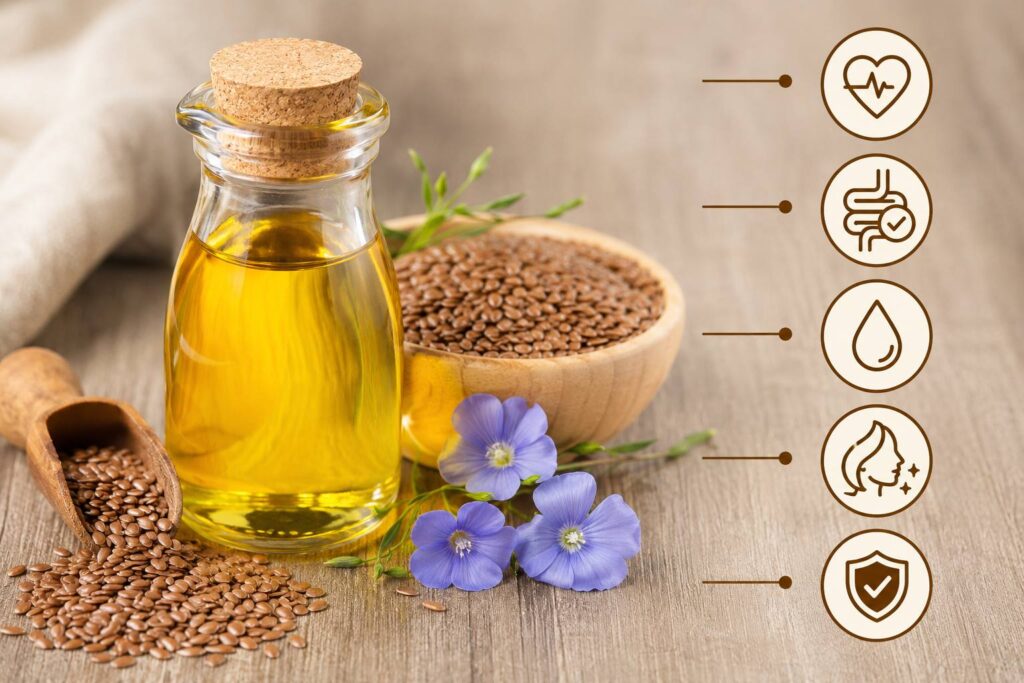
It is used as an addition to salads (cold use, without heat treatment)
It is added to ready meals after cooking (vegetables, soup, porridge)
It is used in nutrition as a source of omega-3 fatty acids
It can be added to smoothie drinks
Use in yogurt or kefir (1 teaspoon per day)
Suitable for people who do not consume enough fish in their diet
It is used to support the health of the heart and blood vessels
It can contribute to a better balance of fatty acids in the body
AVOKADO OIL...
Frying at high temperatures
Roasting and sautéing food
Addition to salads (cold use)
Topping ready meals (vegetables, meat, pasta)
Use in marinades
Substitute for refined vegetable oils in food
Adding to smoothies
Improving the absorption of vitamins A, D, E and K
Support for the health of the heart and blood vessels
Protection of cells from oxidative stress
Support for skin health and elasticity
Avocado oil is very versatile and can be used in both cold and hot dishes. Its mild and pleasant taste goes well with salads, dressings, marinades and sauces, while at the same time it does not cover the natural aroma of the food. It is often used as an addition to fresh vegetable salads, sandwiches and various meals that are prepared without heat treatment.
Thanks to its high resistance to heating, avocado oil is suitable for baking, stewing and frying food. It can be used for preparing meat, fish, vegetables, grilled dishes, as well as for baking in the oven. Its stability at higher temperatures makes it a practical choice for the everyday kitchen, especially when a combination of mild flavor and wide application in different types of dishes is required.
GRAPE SEED OIL...
Frying and cooking at medium high temperatures
Roasting and sautéing food
Addition to salads and cold dishes
Use in marinades for meat and vegetables
Topping ready meals
Replacement for heavier and refined oils in the diet
Support for heart health due to unsaturated fatty acids
Contribution to the reduction of oxidative stress (antioxidants)
Support for elasticity and skin health
Use in cosmetics and massage oils
Easy digestibility and neutral taste in food
WALNUT OIL
Rich in omega-3 fatty acids that support heart health
Helps reduce bad (LDL) cholesterol
Contributes to the health of blood vessels and circulation
Contains antioxidants that protect cells from oxidative stress
It can support brain function and cognitive health
It helps to reduce inflammatory processes in the body
Contributes to skin health and hydration
It can improve the quality of hair and nails
Supports hormonal balance due to healthy fats
It is suitable for cold use in food (salads, dressings)
It can contribute to the health of the heart and blood vessels
It helps reduce oxidative stress
It can have a mild anti-inflammatory effect
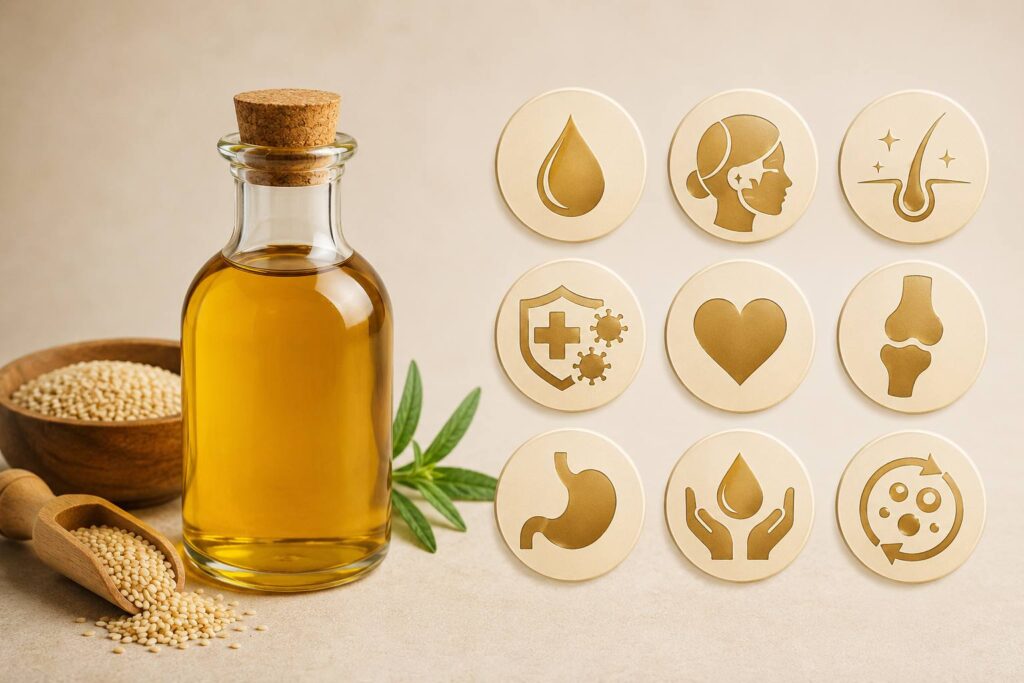
Supports skin health and hydration
It is used in Asian cuisine for a specific taste
Suitable for sautéing and short thermal cooking
Can be used as an addition to salads (cold use)
It adds flavor to dishes and improves the taste of food
It can contribute to a better balance of fatty acids in the diet
Sesame oil is valued for its rich, aromatic taste that gives dishes a distinctive note. It is most often used in Asian cuisine to prepare salads, dressings, marinades, sauces and dishes made from vegetables, rice or noodles. A few drops of sesame oil are often enough to enrich the taste of the finished meal and contribute to its fuller aroma.
Sesame oil can also be used for short stewing or cooking at moderate temperatures, depending on the type of oil. It is especially popular as a final addition to dishes just before serving, when its characteristic smell and taste come to the fore. It combines well with vegetables, chicken, fish, legumes and different types of grains.
OLIVE OIL
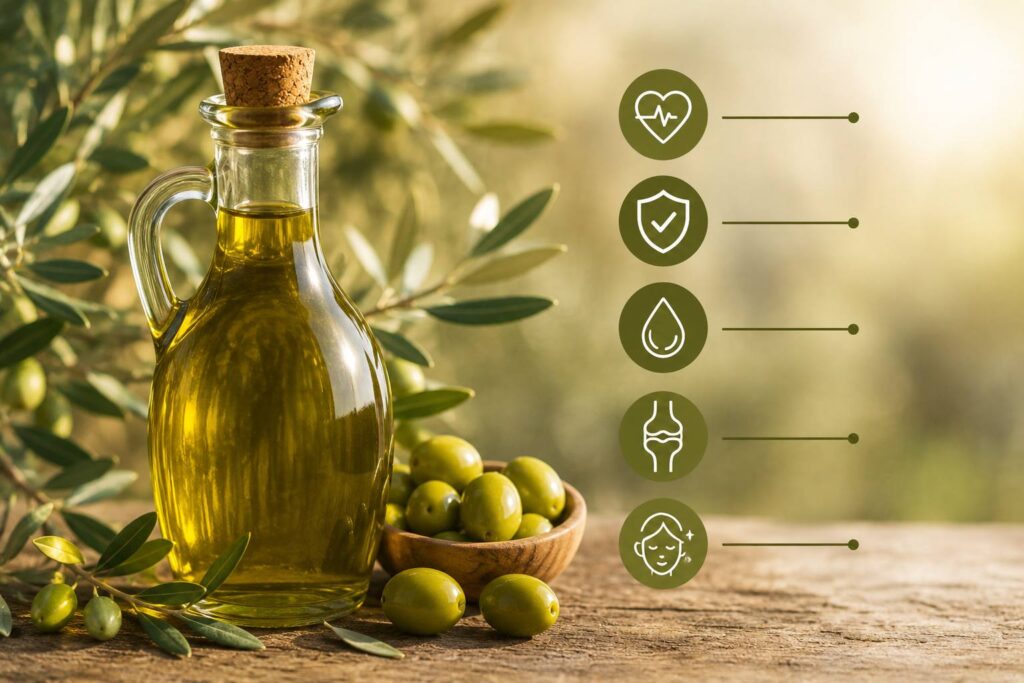
Rich in monounsaturated fats that support heart health
Contains powerful antioxidants (polyphenols and vitamin E)
It can contribute to the reduction of inflammatory processes in the body
It supports the health of blood vessels and circulation
May help regulate cholesterol (increases HDL, decreases LDL)
Contributes to brain health and cognitive function
It supports skin health and slows down the aging process
It is suitable for cold use (salads, dressings, ready meals)
It can also be used for mild thermal cooking
It is an important part of the Mediterranean diet
PUMPKIN OIL
Rich in zinc which supports immunity and skin health
Contains healthy unsaturated fatty acids
May contribute to prostate health in men
It supports the health of the urinary system
Contains antioxidants that protect cells from oxidative stress
May help regulate cholesterol
Contributes to the health of the heart and blood vessels
It supports the health of the skin, hair and nails
It is most often used as a cold-pressed oil (salads, dressings)
Not recommended for heat treatment due to sensitive nutrients
It has a strong, nutty flavor that enriches dishes
Pumpkin oil is known for its dark color and rich, nutty flavor that makes it a special addition to many dishes. It is most often used in cold food preparation, as a dressing for salads, cooked vegetables, cheeses and various spreads. Its intense aroma can enrich simple meals and give them a recognizable gastronomic character.
Pumpkin oil is recommended to be added to ready meals just before serving in order to preserve its taste and quality. It goes well with cream soups made of pumpkin, potatoes or vegetables, as well as with dishes made from legumes and cereals. Due to its specific aroma, it is often used in smaller quantities as a final addition that contributes to the fuller taste of the meal.
It contains medium-chain fatty acids (MCTs) that are quickly used as energy
It can contribute to the feeling of satiety and appetite control
It has stability at high temperatures, suitable for cooking and baking
It can be used for frying due to its resistance to oxidation
Supports skin health (hydration and protective barrier)
It is also used in hair care (nourishes and reduces hair breakage).
May have mild antimicrobial properties
It is suitable for keto and low-carb diets as a source of fat
It gives a specific taste to dishes and desserts
It can be used as a substitute for butter in a vegan diet
HEATING OIL AND PREPARING FOOD...
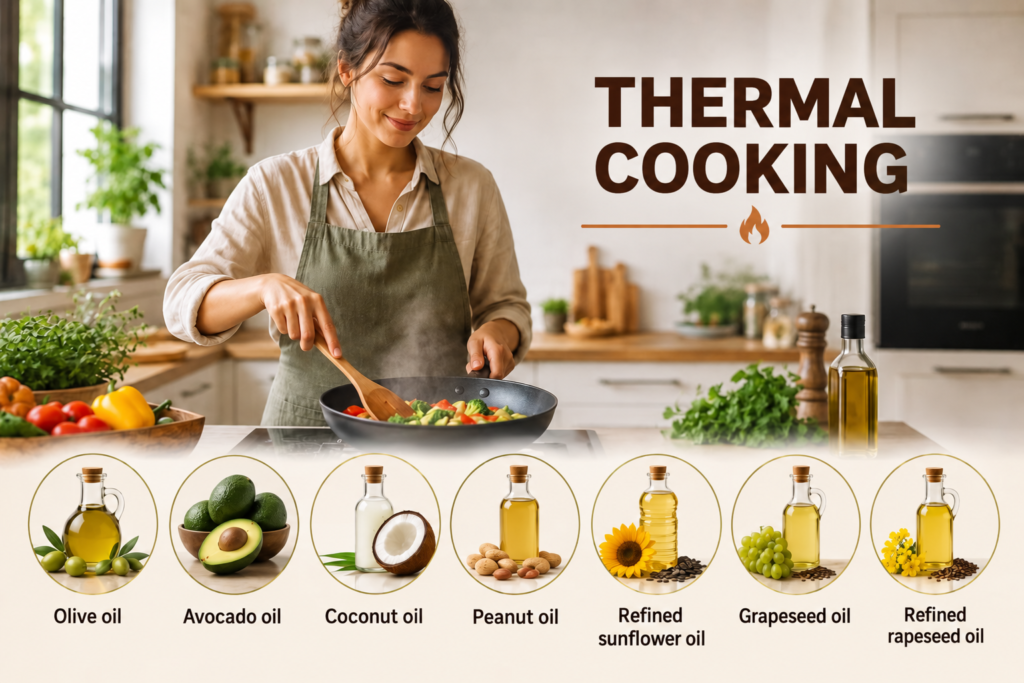
Thermal processing of edible oils depends on their stability at high temperatures. Refined oils are industrially processed and have a higher smoke point, making them suitable for frying, baking and sautéing. This group most often includes refined sunflower oil, refined rapeseed oil, and refined olive oil, because they withstand heating without rapid decomposition.
On the other hand, cold-pressed and unrefined oils are not suitable for thermal processing because at high temperatures they lose their nutritional properties and oxidize more easily. This group includes linseed oil, pumpkin oil, walnut oil and cold-pressed grape seed oil, as well as cold-pressed sesame oil. These oils are used exclusively raw, in salads, dressings or as an addition to ready meals after cooking.
The nutritional rule is simple: oils that have been refined can be used for thermal processing, while cold-pressed oils are used for cold use to preserve their nutrients. The biggest mistake in practice is overheating and repeatedly using the same oil, which can lead to the formation of undesirable compounds and reduce the nutritional value of food.