
BACK MUSCLES AND BACK PAIN

When discussing back muscles and back pain, it is important to understand that muscle strength alone does not always ensure proper movement and spinal stability. During physical activity, stronger or more dominant muscles may contribute more to a movement, while other muscles may become less active or fail to contribute effectively. This can create muscle imbalances and altered movement patterns, potentially increasing mechanical stress on certain areas of the back. However, these patterns do not necessarily cause pain, and their effects can vary depending on individual physical characteristics and activity levels.
This possibility is particularly relevant for athletes and recreationally active individuals who regularly participate in strength training, running, or other sports. Even people with well-developed muscles may experience back pain if certain muscle groups do not coordinate effectively during movement. For example, larger muscles may compensate for reduced activation or endurance of smaller muscles involved in spinal stabilization. Over time, this compensation may contribute to changes in movement control or load distribution, although it does not automatically lead to discomfort or injury.
For this reason, back pain prevention should not focus exclusively on increasing muscle strength. A balanced exercise program may also include targeted exercises that improve muscle coordination, endurance, motor control, and spinal stability. Developing the ability of different muscle groups to work together may support more efficient movement and better tolerance of physical activity. For athletes and recreational exercisers, identifying individual movement limitations and adapting exercises accordingly can be a useful part of maintaining back health and reducing potentially unnecessary strain.
SPINAL EXTENSOR MUSCLES
The spinal extensor muscles are a group of muscles located along the back of the spine that help maintain an upright posture, control spinal movements, and support spinal stability. The main muscles include the erector spinae group (iliocostalis, longissimus, and spinalis) and the deeper multifidus muscles, which contribute to the control and stabilization of individual spinal segments. These muscles work together with the abdominal muscles and other supporting structures to maintain spinal alignment and movement control during everyday activities, exercise, and sports. Their coordinated activity is important for distributing mechanical loads and supporting the spine during different types of movement.
The spinal extensors also play an important role in back pain prevention by contributing to muscular endurance, postural control, and the ability to tolerate physical loads. Reduced endurance, insufficient strength, or altered coordination of these muscles may be associated with certain types of back pain, although these factors do not necessarily cause symptoms in every individual. Targeted exercises that gradually improve back muscle strength, endurance, and spinal stability may help support spinal function and improve tolerance to daily and sporting activities. For athletes and recreational exercisers, maintaining balanced muscle function can be a useful part of a broader approach to spine health and back pain prevention.
Key functions and characteristics of spinal extensor muscles
Spinal extension – Help extend the spine and return the trunk to an upright position after bending forward.
Spinal stability – Contribute to maintaining spinal stability during static positions and dynamic movements.
Postural support – Help maintain an upright posture during sitting, standing, and walking.
Segmental stabilization – Deep muscles, particularly the multifidus, contribute to controlling movements between individual vertebrae.
Movement coordination – Work together with abdominal muscles and other muscle groups to coordinate trunk movements.
Load distribution – Help manage mechanical forces acting on the spine during lifting, bending, and physical exercise.
Muscular endurance – Support sustained muscle activity during prolonged standing, sitting, and other daily activities.
Controlled spinal movements – Help regulate the speed and range of trunk movements, particularly during forward bending.
Sports performance – Contribute to trunk control and force transfer during running, strength training, and other sports.
Back pain prevention – Adequate strength, endurance, and coordination may support spinal function and improve tolerance to physical loads, potentially contributing to a broader back pain prevention strategy.
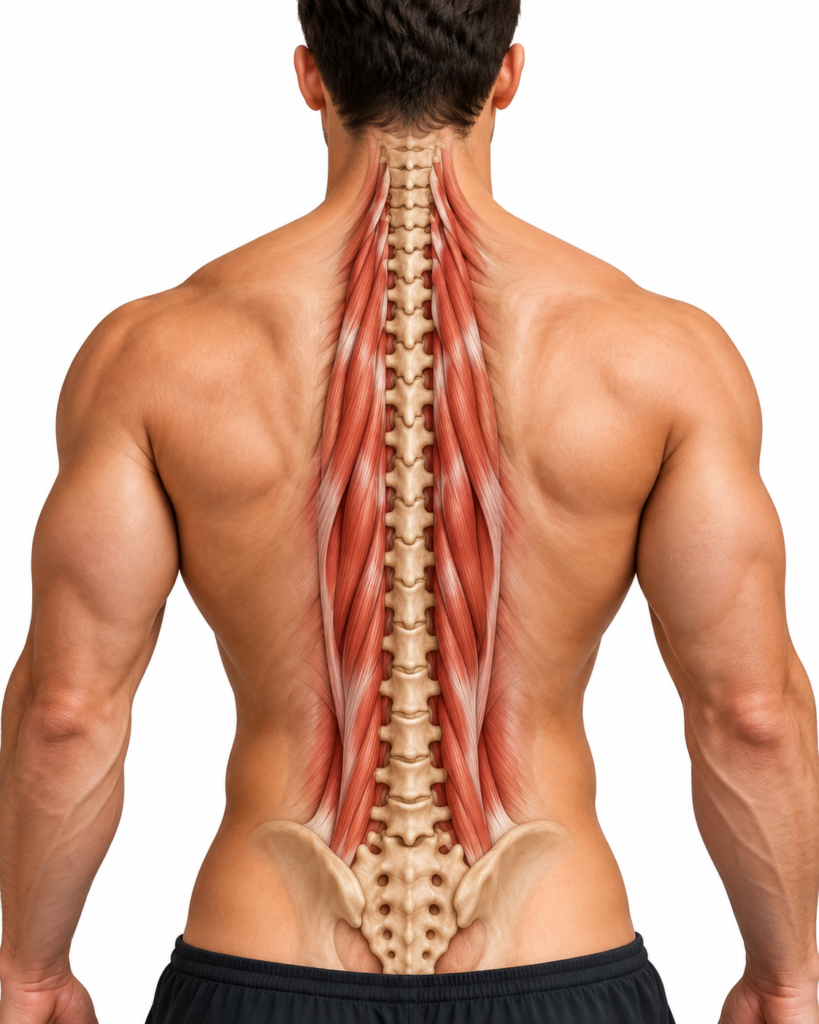
IMPORTANT: Strong spinal extensor muscles do not necessarily guarantee proper spinal stability or prevent back pain. Their ability to coordinate with deeper stabilizing muscles and other muscle groups is equally important. Even athletes and physically active individuals may experience reduced muscle endurance or altered movement control despite having well-developed back muscles. Incorporating targeted exercises for spinal stability, muscle coordination, and endurance into a balanced training program may help improve spinal function, support movement efficiency, and contribute to back pain prevention.
DISC HERNIATION AND SPINAL EXTENSOR MUSCLES
The spinal extensor muscles play an important role in supporting spinal stability and controlling movement in individuals with lumbar disc herniation. Muscles such as the multifidus and erector spinae help maintain trunk control and contribute to managing mechanical loads during everyday activities. In some individuals with disc herniation, changes in muscle activation, endurance, or coordination may occur, particularly when pain influences normal movement patterns. However, these changes are not present in every person, and the relationship between muscle function and disc-related symptoms can vary considerably.
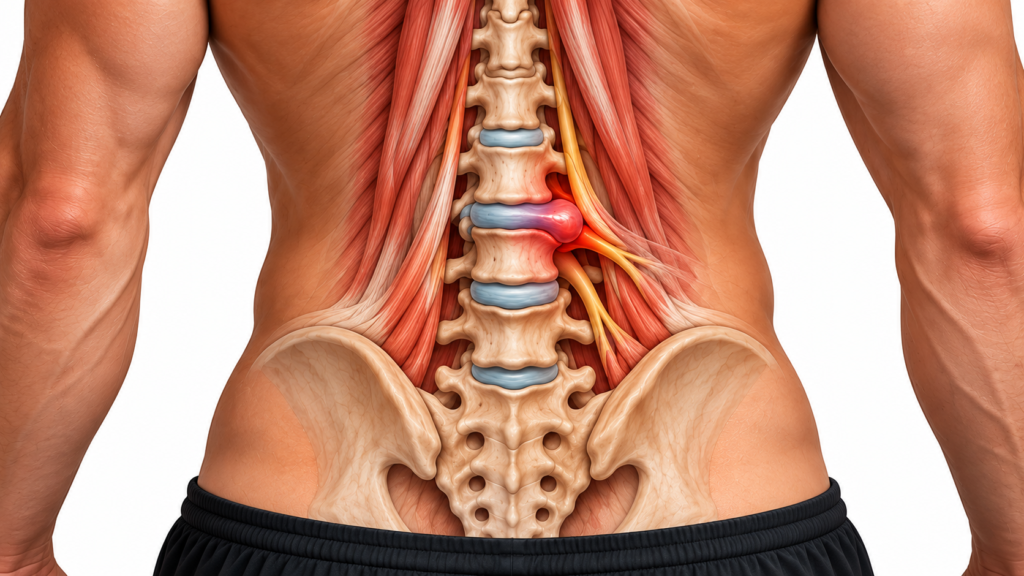
The multifidus muscles are particularly important because they contribute to segmental spinal stability and help control movements between individual vertebrae. Research has identified changes in multifidus muscle size, composition, or activation in some people with lumbar spine disorders, including disc herniation. These findings do not necessarily indicate that muscle weakness caused the condition. Targeted spinal stabilization exercises may be useful for improving muscle function and movement control as part of an individualized exercise program, depending on symptoms, physical capacity, and clinical assessment.
For individuals with lumbar disc herniation, strengthening the spinal extensor muscles should involve gradual progression and appropriate exercise selection. Exercises focusing on muscle endurance, controlled spinal movements, and trunk stability may help improve functional capacity and tolerance to daily activities. However, not every spinal extension exercise is suitable for every individual, particularly when certain movements increase back pain or radiating leg symptoms. A personalized exercise approach, guided by a qualified healthcare professional when appropriate, can help support safe physical activity and long-term spine health.
TARGETED EXERCISES FOR SPINAL EXTENSORS
Not all muscle contractions are the same, and different types of exercises place different demands on the spinal extensor muscles. Muscles can produce force while shortening (concentric contraction), lengthening under tension (eccentric contraction), or maintaining tension without significant changes in length (isometric contraction). Each type of contraction contributes to different aspects of muscle function, including strength, endurance, movement control, and spinal stability. Although spinal extensors are active during many daily activities and sports, their level of activation and functional demands vary depending on the exercise, body position, resistance, and movement pattern.
For this reason, a well-designed back exercise program may include several types of targeted exercises rather than relying on a single movement or training method. Isometric exercises can help develop the ability to maintain trunk stability, while dynamic exercises involving concentric and eccentric contractions may improve strength and controlled movement. Combining appropriate exercises for muscle endurance, strength, and coordination may support more balanced spinal extensor function. The selection and progression of exercises should depend on individual needs, physical capacity, and symptoms, particularly in people experiencing back pain or lumbar disc herniation.
How to recognize appropriate activation of deep spinal extensor muscles
Controlled movements – Exercises are performed slowly and smoothly, without sudden or excessive spinal movements.
Small range of motion – The spine remains relatively stable while performing small, controlled movements that encourage precise muscle coordination.
Gentle muscle engagement – A mild muscular contraction may be felt along the lower back without excessive tightening of the larger back muscles.
Stable spinal position – The trunk remains controlled without unnecessary arching, twisting, or compensatory movements.
Normal breathing – The ability to breathe naturally during muscle contractions suggests that excessive bracing or breath-holding is being avoided.
Isometric control – A stable position can be maintained for several seconds without noticeable loss of movement control.
Reduced compensatory movements – The pelvis, hips, and shoulders remain appropriately controlled instead of making unnecessary movements to complete the exercise.
Gradual improvement in endurance – Over time, the individual may be able to maintain controlled positions longer or perform more repetitions without losing exercise quality.
Appropriate exercise intensity – The exercise produces manageable muscular effort without significantly increasing back pain or provoking radiating symptoms.
IMPORTANT: These signs indicate appropriate exercise technique and trunk control, but they cannot confirm that the deep multifidus muscles have been selectively activated. These muscles work together with other spinal stabilizers, and their activity cannot be reliably identified through sensation alone. A physiotherapist may use clinical assessment, palpation, or rehabilitative ultrasound imaging when more specific evaluation of muscle function is needed.
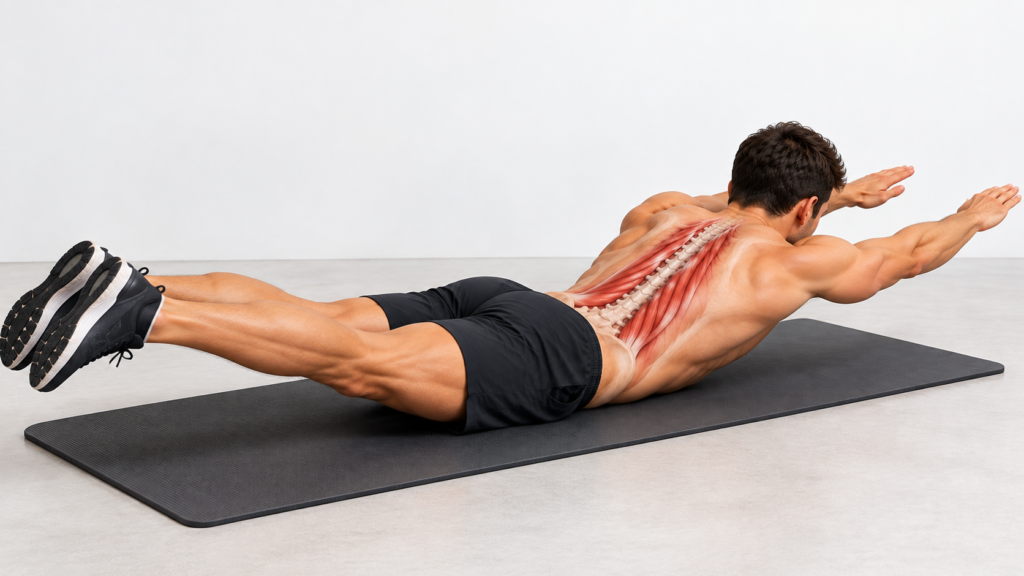
Targeted exercises for deep spinal extensor muscles often involve small, controlled movements, slow execution, and short periods of maintaining a stable position. Unlike exercises that primarily focus on large movements or heavy resistance, these exercises emphasize muscle coordination, segmental control, and spinal stability. The multifidus muscles, which are located deep along the spine, contribute to controlling movement between individual vertebrae. Exercises performed with a limited range of motion and controlled muscle activation may help improve awareness of trunk position and the ability to maintain stability without unnecessary movement.
Similar to core stabilization exercises, targeted training for deep spinal muscles may include isometric contractions, slow movements, and brief static holds. Maintaining a position for several seconds while breathing normally allows the muscles to work under controlled conditions. Gradually increasing the duration, repetitions, or exercise difficulty may help develop muscular endurance and motor control. However, small movements do not automatically isolate or activate the deepest muscles more effectively than other exercises. A combination of targeted spinal stabilization exercises and progressive strengthening may be beneficial for supporting spinal function, particularly when adapted to individual needs and physical capacity.
BACK EXERCISES
Back exercises can be incorporated into daily routines and combined with other physical activities, including strength training, running, swimming, and recreational sports. Targeted exercises for spinal extensor muscles often involve slow, controlled movements, small ranges of motion, and short isometric holds to support muscle coordination, endurance, and spinal stability. Depending on individual needs and exercise intensity, gentle stabilization exercises may be performed once daily or several times per week, while more demanding strengthening sessions generally require appropriate recovery between workouts.
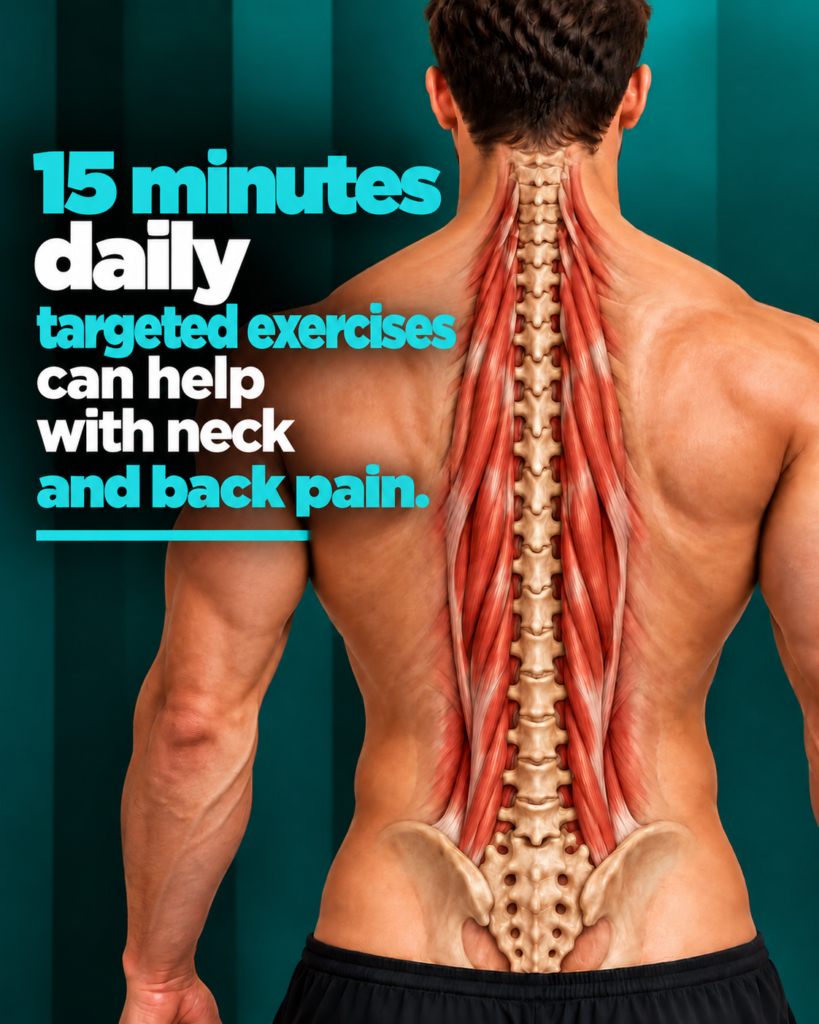
Starting with 5–15 minutes of targeted exercises, using a manageable number of repetitions and gradually increasing the difficulty, may be a practical approach for some individuals. These exercises can complement regular sports training rather than replace it. The frequency, duration, and intensity should be adapted to physical fitness, training goals, and existing symptoms, particularly in individuals experiencing back pain or lumbar disc herniation.
How to combine targeted back exercises with different fitness programs
Strength training – Include targeted spinal stabilization exercises during the warm-up or as a separate part of the workout to support trunk control during squats, deadlifts, and other resistance exercises.
Running programs – Combine running sessions with exercises for spinal extensor endurance and core stability to support trunk control during repetitive movements.
Pilates training – Integrate controlled spinal extensor exercises with breathing techniques, isometric contractions, and movements that emphasize coordination and postural control.
Yoga programs – Complement yoga sessions with targeted strengthening exercises that focus on spinal stability and muscular endurance, particularly when flexibility is already well developed.
Swimming – Add land-based spinal stabilization exercises to develop trunk strength and control that may not be sufficiently challenged by swimming alone.
Functional training – Incorporate controlled back exercises to support coordination between the spinal extensors, abdominal muscles, pelvis, and hips during complex movements.
High-intensity interval training (HIIT) – Perform low-intensity stabilization exercises separately or during the warm-up, when fatigue is limited and movement control can be maintained.
Cycling – Include exercises for spinal extensor endurance and trunk stability to complement prolonged cycling positions and support tolerance to sustained postures.
Bodybuilding programs – Combine exercises targeting larger back muscles with controlled spinal stabilization exercises to develop different aspects of back muscle function.
Recreational sports – Use short, targeted back exercise sessions alongside activities such as tennis, basketball, or football to support trunk control and overall physical conditioning.
DON'T FORGET PROPER MOVEMENT IN DAILY ACTIVITIES
Daily activities play an important role in maintaining back health and spinal function. Even individuals who regularly perform back strengthening exercises may experience discomfort if their daily movements repeatedly exceed their current physical capacity. Activities such as sitting, standing, walking, lifting objects, and carrying bags require coordination between the spinal extensor muscles, abdominal muscles, and other supporting muscle groups. Developing comfortable and efficient movement habits may help improve load tolerance, reduce unnecessary muscular fatigue, and support spinal function throughout the day.
Important daily activities and healthy movement habits
Sitting – Maintain a comfortable, supported position, keep the feet stable, and change sitting positions regularly to reduce prolonged static loading.
Standing – Distribute body weight comfortably between both feet, avoid unnecessary muscular tension, and change positions during prolonged standing.
Walking – Maintain a natural walking pattern, allow the arms to move freely, and keep the trunk relaxed while maintaining appropriate postural control.
Lifting objects – Position the object close to the body when practical, use the hips and knees appropriately, and avoid loads that exceed current physical capacity.
Carrying bags – Choose manageable weights and adjust how loads are carried to avoid prolonged discomfort or excessive fatigue.
Working at a computer – Adjust screen height, chair support, and workstation position to encourage comfortable movement and reduce sustained muscular effort.
Bending forward – Coordinate movement between the hips and spine, adapting the technique to the task, load, and individual mobility.
Getting up from a chair – Use coordinated movement of the hips, knees, and trunk, with support from the legs and appropriate trunk control.
Using a smartphone – Avoid remaining in one neck position for prolonged periods and take regular opportunities to change posture.
Sleeping and resting – Choose comfortable positions that provide adequate support and allow the back muscles to recover.
Why are these habits important?
The spinal extensor muscles are involved in many everyday movements, not only during structured exercise sessions. Prolonged static positions, repetitive movements, and demanding physical tasks can contribute to muscular fatigue or discomfort, particularly when recovery and physical capacity are insufficient. However, no single posture or movement technique guarantees the prevention of back pain. Combining targeted back exercises, regular physical activity, movement variation, and appropriate load management may help improve functional capacity and support long-term spine health.
- Share:

You may also like
STRETCHING – 5 minutes for your health..
- November 9, 2026
- by PROGRAMI MRŠAVLJENJA
- in HEALTH