Vitamin C and B Vitamins: Benefits, Sources, and Daily Intake
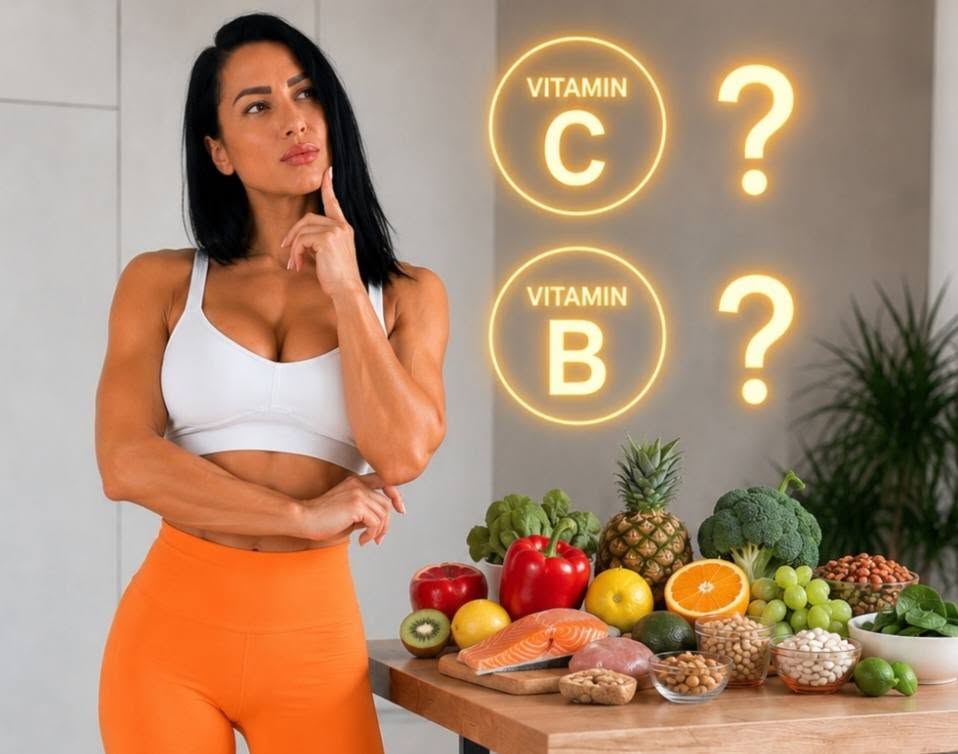
Vitamin C and B Vitamins are essential nutrients that play important roles in maintaining overall health and supporting the body’s daily functions. Vitamin C is a powerful antioxidant that helps protect cells from oxidative stress, supports the immune system, and contributes to collagen production, which is important for skin, connective tissue, and wound healing. Since the body cannot produce vitamin C, it must be obtained through the diet from foods such as citrus fruits, berries, peppers, broccoli, and leafy green vegetables.
B Vitamins are a group of water-soluble vitamins that are involved in energy metabolism, nervous system function, red blood cell production, and many other biological processes. They help the body convert food into energy and support normal brain and muscle function. B Vitamins are found in a variety of foods, including whole grains, meat, fish, eggs, dairy products, legumes, nuts, seeds, and vegetables. Maintaining an adequate intake of both Vitamin C and B Vitamins is important for supporting energy levels, immunity, and overall wellbeing.
Vitamin C: A Powerful Antioxidant for Health
Vitamin C is a powerful antioxidant that helps protect the body’s cells from damage caused by free radicals. Free radicals are unstable molecules that are naturally produced during normal body processes, but their levels can increase due to factors such as pollution, stress, smoking, and exposure to harmful environmental influences.
Antioxidants help neutralize free radicals and reduce oxidative stress, which may contribute to cellular damage over time. By supporting the body’s natural defense system, vitamin C plays an important role in maintaining healthy cells, supporting immune function, and contributing to collagen production, which is essential for healthy skin, blood vessels, bones, and connective tissue.
Recommended Daily Intake of Vitamin C
How much Vitamin C you need daily depends on your age, sex, and life stage.
Adult men need around 90 mg of vitamin C per day, while adult women need around 75 mg per day to support normal body functions, immune health, and collagen production.
During pregnancy, the recommended intake increases to around 85 mg per day because vitamin C supports the health of both the mother and the developing baby. Breastfeeding women need a higher amount, around 120 mg per day, to support increased nutritional needs.
Children require different amounts depending on their age. Babies from 0–6 months need about 40 mg per day, infants 7–12 months need 50 mg, children 1–3 years need 15 mg, children 4–8 years need 25 mg, and children 9–13 years need 45 mg per day. Teenagers generally need between 65–75 mg daily, depending on age and sex.
Most people can meet their daily vitamin C needs through a balanced diet that includes fruits and vegetables such as oranges, kiwi, strawberries, peppers, broccoli, and leafy greens. Regular intake is important because the body does not store large amounts of vitamin C.
Best Food Sources of Vitamin C
Vitamin C content can vary depending on the variety, size, and preparation method of the food. Approximate amounts per 100 g:
The Importance of B Vitamins for Energy and Wellbeing
B Vitamins are a group of essential water-soluble vitamins that play an important role in many processes in the body. They are involved in converting carbohydrates, fats, and proteins from food into energy, supporting normal metabolism, and helping the nervous system function properly. Since the body cannot store large amounts of most B vitamins, regular intake through a balanced diet is important.
The B vitamin group includes several different vitamins, including B1 (thiamine), B2 (riboflavin), B3 (niacin), B5 (pantothenic acid), B6 (pyridoxine), B7 (biotin), B9 (folate), and B12 (cobalamin). Together, they support brain function, red blood cell production, immune health, and the maintenance of healthy skin, muscles, and tissues. B Vitamins can be found in foods such as whole grains, meat, fish, eggs, dairy products, legumes, nuts, seeds, and leafy green vegetables.
B Vitamins are found in a variety of foods, including animal products, whole grains, legumes, nuts, seeds, and vegetables. The amount of each B vitamin depends on the food source and serving size. Approximate amounts per 100 g:
Beef liver – B12: about 70–80 µg, B2: about 3 mg, B3: about 14 mg
Salmon – B12: about 3–4 µg, B3: about 8–9 mg, B6: about 0.6 mg
Chicken breast – B3: about 14 mg, B6: about 0.5 mg, B5: about 1 mg
Eggs – B12: about 1.1 µg, B2: about 0.5 mg, B7 (biotin): about 20 µg
Milk – B12: about 0.4 µg, B2: about 0.2 mg
Yogurt – B12: about 0.4 µg, B2: about 0.2 mg
Lentils – B9 (folate): about 180 µg, B1: about 0.9 mg, B6: about 0.5 mg
Chickpeas – B9 (folate): about 170 µg, B6: about 0.5 mg
Almonds – B2: about 1.1 mg, B3: about 3 mg, B7: about 4 µg
Sunflower seeds – B1: about 1.5 mg, B6: about 1.3 mg, B9: about 230 µg
Oats – B1: about 0.8 mg, B5: about 1.3 mg, B7: about 20 µg
Spinach – B9 (folate): about 190 µg, B2: about 0.2 mg
A varied diet that includes different sources of B Vitamins helps ensure adequate intake of these essential nutrients, supporting energy production, nervous system function, and overall health.
The recommended daily intake of B Vitamins depends on age, sex, and life stage. Each B vitamin has a different role, but adults generally need the following amounts per day:
Vitamin B1 (Thiamine): Men 1.2 mg, Women 1.1 mg
Vitamin B2 (Riboflavin): Men 1.3 mg, Women 1.1 mg
Vitamin B3 (Niacin): Men 16 mg, Women 14 mg
Vitamin B5 (Pantothenic Acid): Adults 5 mg
Vitamin B6: Adults 1.3–1.7 mg
Vitamin B7 (Biotin): Adults 30 mcg
Vitamin B9 (Folate): Adults 400 mcg
Vitamin B12: Adults 2.4 mcg
How Cooking Affects Vitamin C and B Vitamins
Vitamin C and B Vitamins are water-soluble vitamins, which means they can be affected by cooking methods, especially when exposed to high temperatures, water, and long cooking times. Vitamin C is particularly sensitive to heat and can be reduced during boiling, frying, or prolonged cooking. To preserve more vitamin C, it is better to choose cooking methods such as steaming, light cooking, or consuming some fruits and vegetables fresh.
B Vitamins can also be affected by food preparation. Some B Vitamins may be lost when foods are cooked in large amounts of water because they can dissolve into the cooking liquid. Methods such as steaming, baking, or using the cooking water in soups and sauces can help retain more nutrients. A balanced approach that includes both fresh and properly prepared foods helps maintain an adequate intake of Vitamin C and B Vitamins.