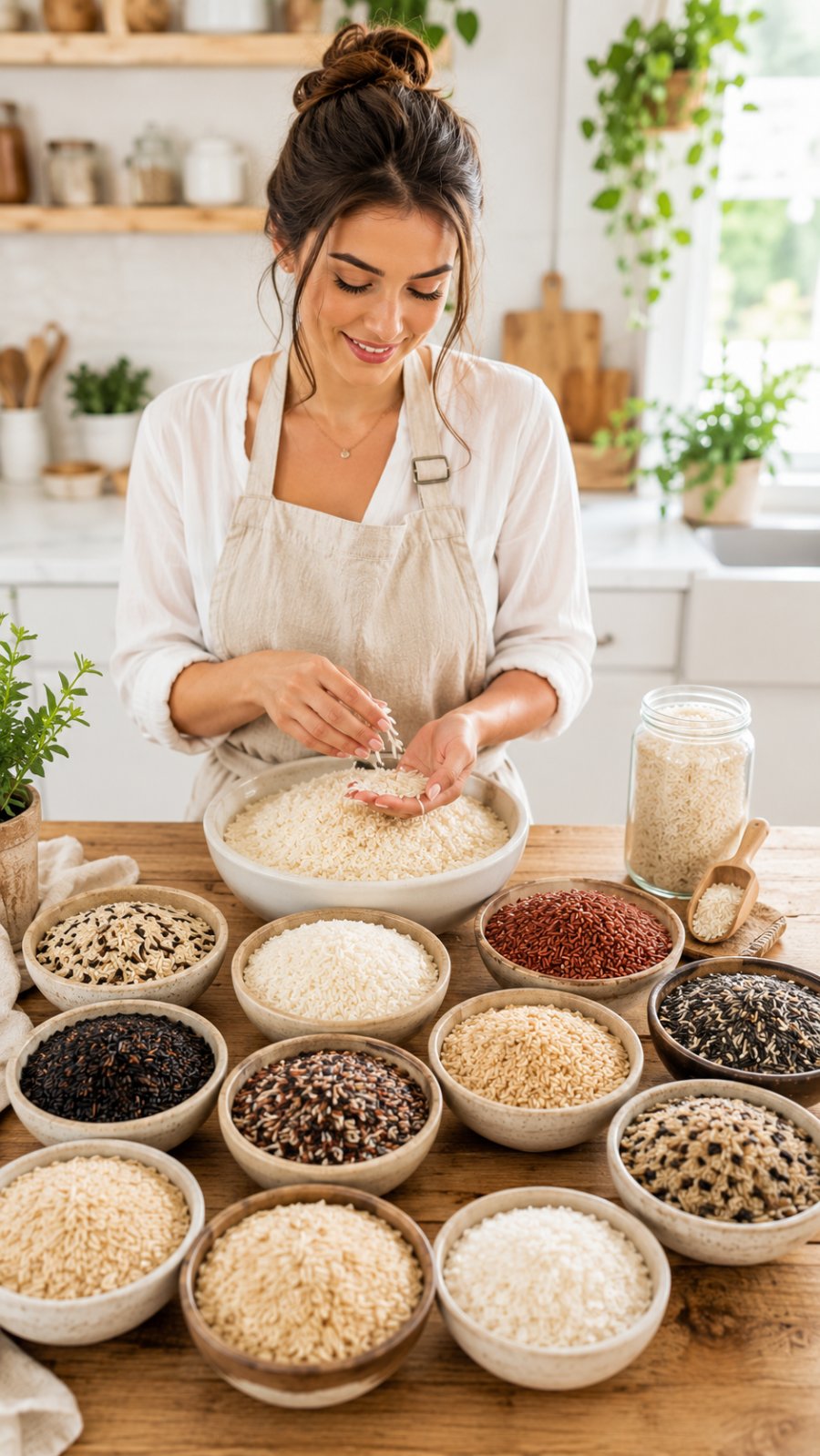
Rice is one of the most commonly consumed grains in the world and comes in several varieties that differ in nutritional composition, digestion method and effect on blood sugar levels. In the context of insulin resistance and weight loss , it is important to understand that not all types of rice are the same – white, whole grain, basmati or wild rice have different glycemic responses and affect energy and satiety differently.
In the case of insulin resistance, the importance of choosing slower-digesting carbohydrates, as well as the correct combination of foods in the meal, is particularly emphasized. Rice in itself is not a forbidden food, but its quantity and type can significantly affect the stability of blood sugar and the feeling of hunger during the day. When combined with protein, healthy fats and fiber, it can be part of a balanced diet.
The goal of this text is to provide an overview of the different types of rice and their place in the diet in insulin resistance and the weight loss process. Understanding the differences between types of rice helps you make better choices in your daily diet, without the need to completely eliminate this food from the menu.
INTEGRAL RIS
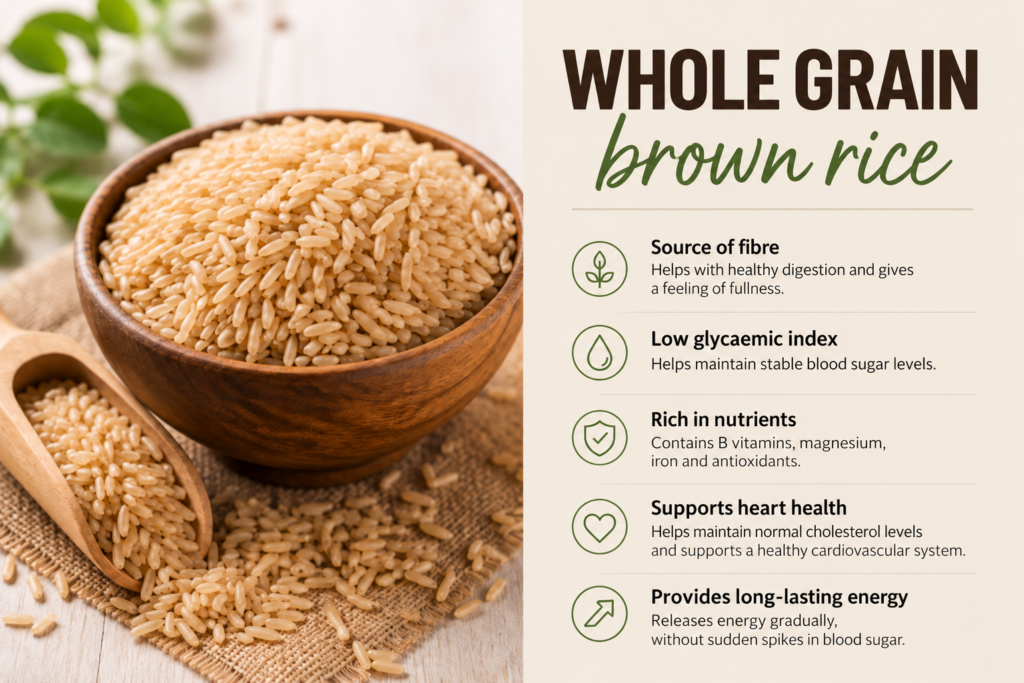
For people with insulin resistance , whole grain rice may be a better choice than white rice because it contains more fiber, vitamins and minerals. Fiber slows the digestion of carbohydrates, which can contribute to a more gradual rise in blood glucose levels after a meal.
It is recommended to combine wholemeal rice with sources of protein, such as chicken, fish, eggs or legumes, as well as with a larger amount of vegetables. Such a combination contributes to a longer feeling of satiety and a more balanced meal. It is important to pay attention to the size of the portion, because integral rice is also a source of carbohydrates.
For people with insulin resistance, whole grain rice can be part of a varied and balanced diet when consumed in moderation and within a meal plan tailored to individual needs.
Integral rice with chicken and vegetables
Ingredients:
1 cup of brown rice
200 g chicken fillet
1 small zucchini
1 red pepper
1 carrot
1 small onion
1 tablespoon olive oil
Salt and pepper to taste
Fresh parsley
Preparation:
Cook the brown rice according to the instructions on the package. While the rice is cooking, cut the chicken into cubes and the vegetables into smaller pieces. Heat the olive oil in a pan and briefly fry the onion. Add the chicken and sauté until golden. Then add the carrot, pepper and zucchini and continue to simmer for a few minutes.
When the rice and other ingredients are ready, combine them in a large bowl and mix gently. Season to taste with salt, pepper and fresh parsley. Serve warm as a complete meal rich in fiber, protein and complex carbohydrates.
Vegetable potage with brown rice
Ingredients:
1/2 cup brown rice
1 zucchini
1 carrot
1 small onion
1 small celery root
1 tablespoon olive oil
800 ml of water or vegetable broth
Salt and pepper to taste
Fresh parsley
Preparation:
Wash and cook brown rice separately according to the instructions on the package. Heat the olive oil in a saucepan and briefly fry the finely chopped onion. Add carrot, zucchini and celery cut into small pieces, then pour water or vegetable broth. Cook for about 20 minutes until the vegetables are soft.
When the vegetables are cooked, puree them with a stick blender until you get a creamy texture. Add the cooked wholemeal rice to the finished potage and mix gently. Season to taste with salt, pepper and fresh parsley. This nutritious potash combines fiber from vegetables and brown rice, providing a longer-lasting feeling of fullness and a balanced meal.
BASMATI RICE
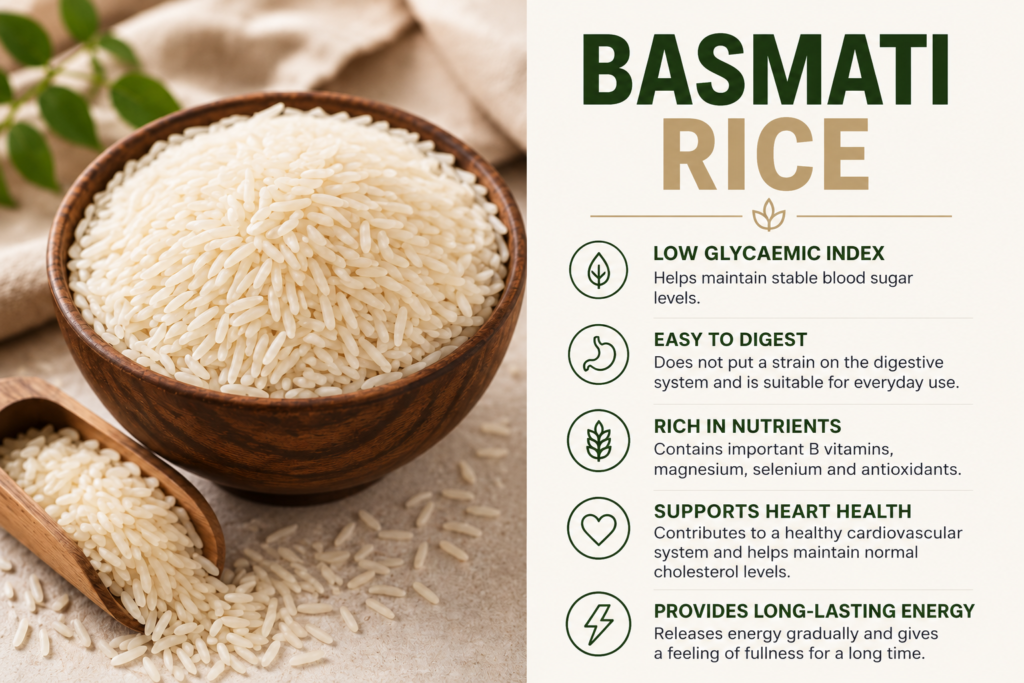
Basmati rice is an aromatic type of long grain that is often used in a healthier and more balanced diet. Compared to classic white rice, it has a lower glycemic index, meaning it raises blood sugar more slowly and may be a better choice for insulin resistance when consumed in moderation. Its light texture and pleasant aroma make it popular in different cuisines.
It is most often used as a side dish with meat, fish, vegetables and dishes with sauces, as well as in salads and light meals. It can be combined with legumes, vegetables and healthy fats to get a balanced meal that keeps you full longer. It is important to pay attention to the portions and the method of preparation, because basmati rice, like all cereals, affects the intake of carbohydrates.
CRNI PIRINAČ
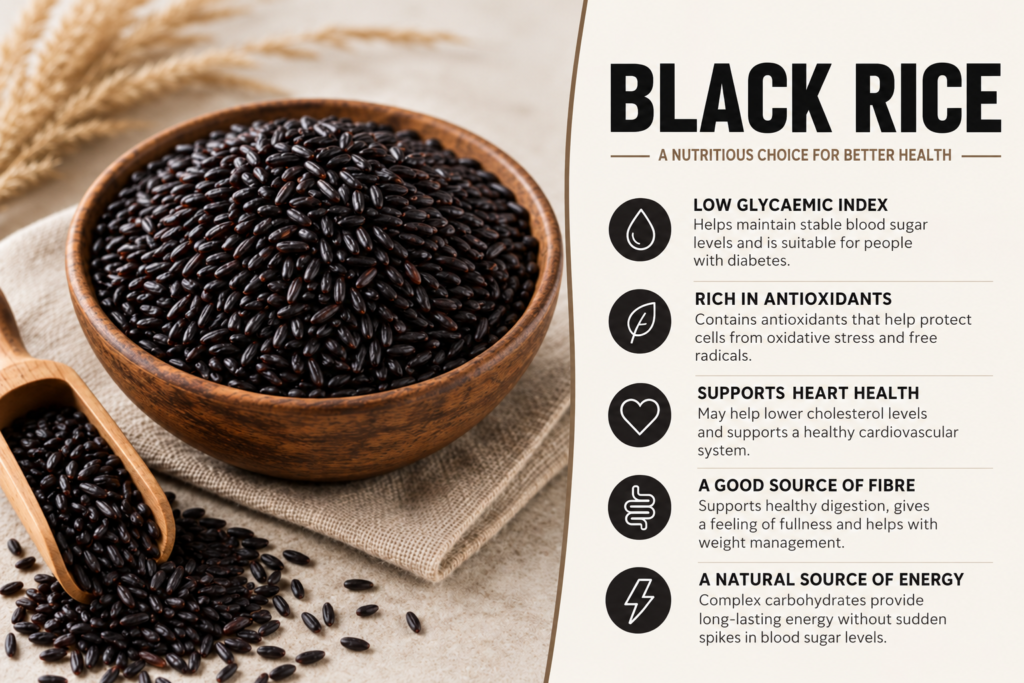
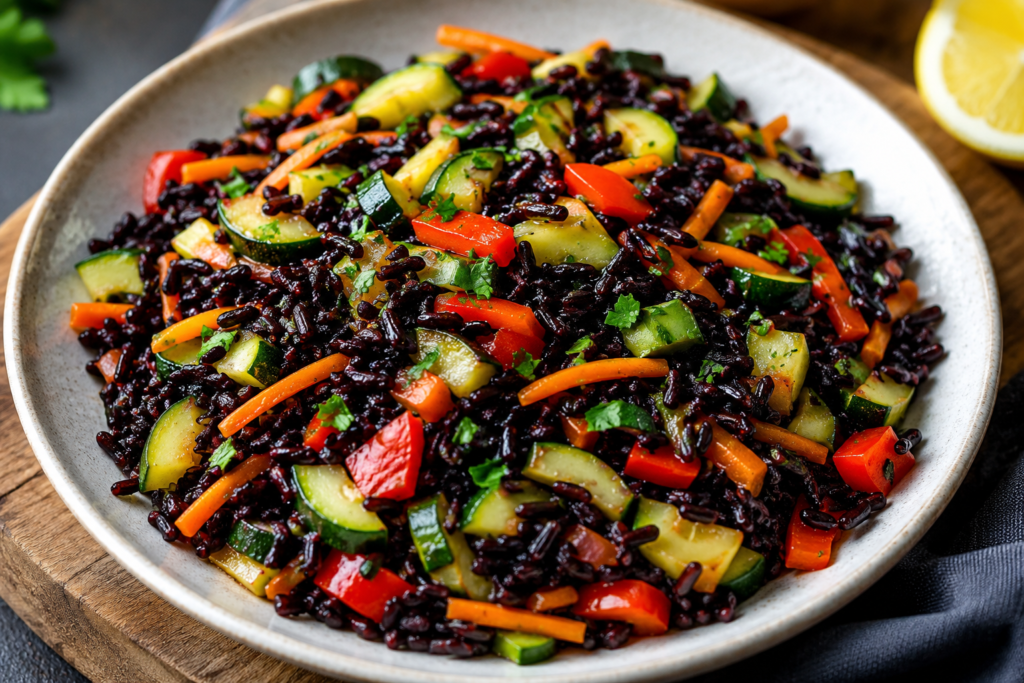
Black rice , also known as “forbidden rice”, is considered one of the most nutritionally rich types of rice. Its dark color comes from its high content of anthocyanins, powerful antioxidants that help protect cells from oxidative stress. Compared to white rice, black rice contains more fiber, protein and micronutrients, making it a better nutritional choice.
For insulin resistance and weight loss, black rice may be a better option due to slower digestion and lower glycemic response. Thanks to its higher fiber content, it contributes to a longer feeling of satiety and helps in better appetite control. However, it is still a source of carbohydrates, so it is important to take care of the amount and combination with other foods in the meal.
It is most often used in salads, as a side dish with vegetables, fish or chicken, but also in hot dishes with vegetables and herbs. Its slightly nutty taste and specific texture give dishes a special gastronomic quality. When incorporated into a balanced diet, black rice can be part of a varied menu that supports more stable energy levels throughout the day.
LAGANA VEČERA SA CRNIM PIRINČEM
Ingredients:
1/2 cup black rice
1 small zucchini
1/2 red pepper
1/2 carrot
1 small onion
1 tablespoon olive oil
Salt and pepper to taste
Fresh parsley or lemon juice (optional)
Preparation:
Wash the black rice and cook it in water (about 1:3 ratio of rice to water) until it becomes soft, which usually takes longer than regular rice. After cooking, strain the excess water if necessary.
Heat the olive oil in a pan and briefly fry the finely chopped onion. Add the carrot, pepper and zucchini cut into thin strips or cubes. Simmer for a few minutes until the vegetables are soft but still slightly crunchy.
At the end, add cooked black rice and mix everything gently. Season to taste, and if desired, add a little lemon juice and fresh parsley. This light evening meal is rich in fiber and antioxidants, and due to the slower digestion of black rice, it can contribute to a longer feeling of fullness without heaviness in the stomach before bedtime.
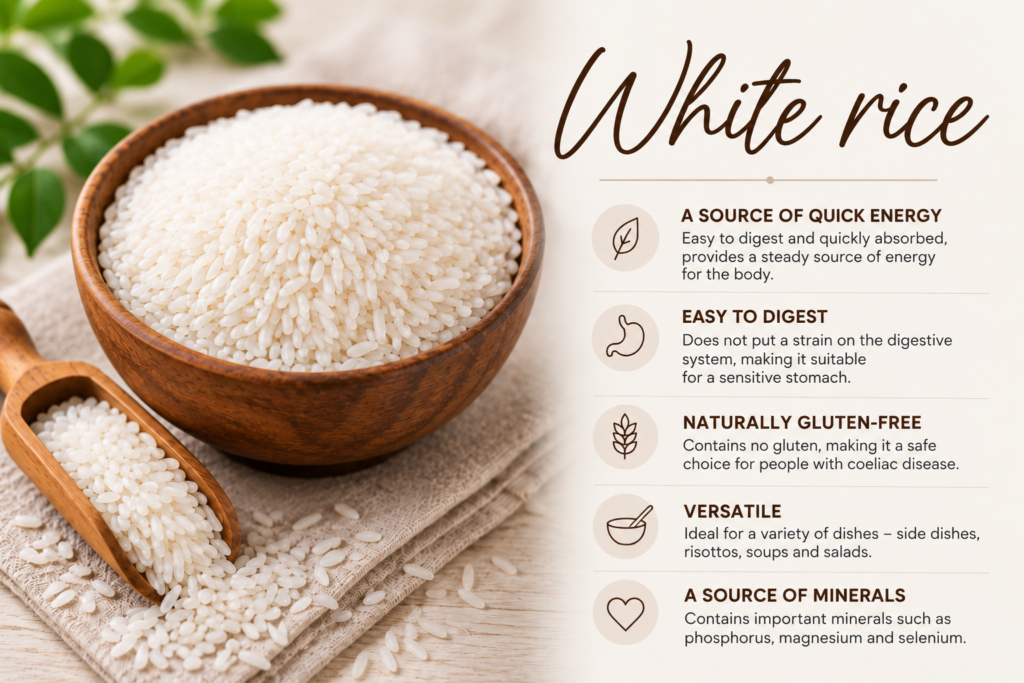
White rice is the most abundant and consumed type of rice in the daily diet. It is obtained through a refining process in which the shell and part of the nutrients are removed, which is why it has a milder taste and softer texture, but also a lower fiber content compared to whole grains. Because of this, it is digested faster and raises the blood sugar level faster.
For insulin resistance and weight loss, white rice is usually recommended in limited amounts and with the right combination of foods. When eaten alone, it can lead to faster glucose swings, but when combined with protein, vegetables and healthy fats, its effect on blood sugar can be milder. Portion control is especially important.
It is most often used as a side dish with meat, fish, stews and sauces, as well as in soups and simple dishes. It is suitable when light and quickly digestible food is needed, but in the context of a healthier diet it is recommended not to use it as the main source of carbohydrates on a daily basis, but to combine it with nutritionally richer types of rice and cereals.
WILD RICE
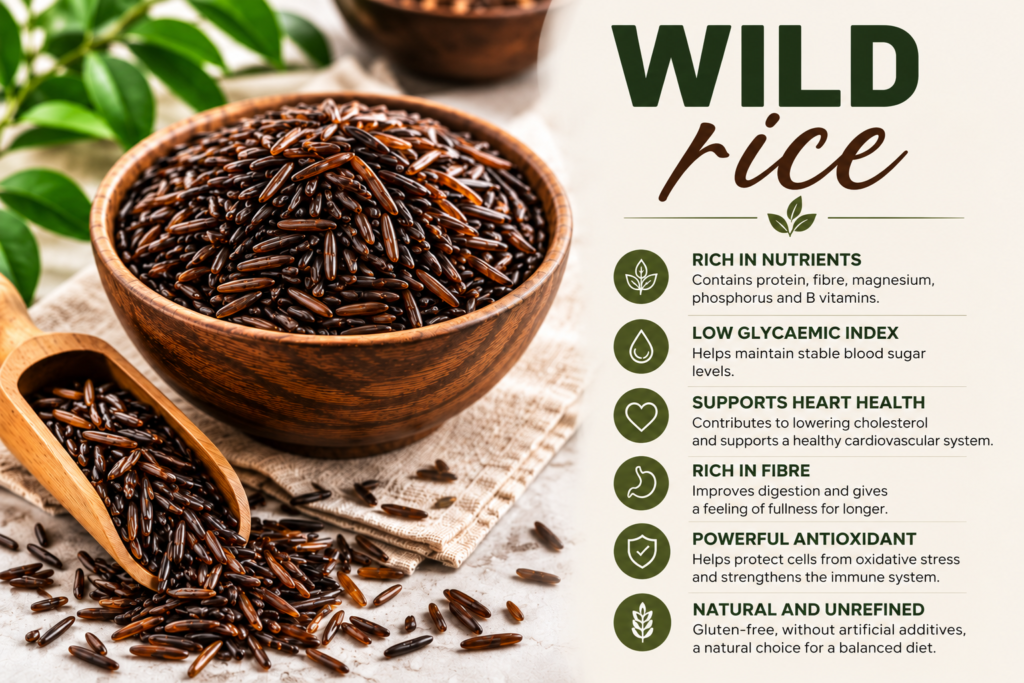
Wild rice , although often called rice, actually belongs to a special group of water grasses and is considered one of the most nutritionally rich rice-like grains. It has a dark color, oblong grain and characteristic nutty taste. It is rich in proteins, fibers, minerals and antioxidants , which makes it a quality food in a balanced diet.
For insulin resistance and weight loss, wild rice can be a good choice because of its high fiber content and slower digestion, which contributes to more stable blood sugar levels and a longer feeling of satiety. Compared to white rice, it has a more favorable nutritional profile and can help with better appetite control when used in appropriate portions.
It is most often used in salads, as a side dish with fish, chicken or vegetables, as well as in mixtures with other types of rice. Its firmer texture and pronounced taste give a special quality to dishes, so it is often used in special and nutritionally rich meals that support a healthier way of eating.
JASMIN RICE
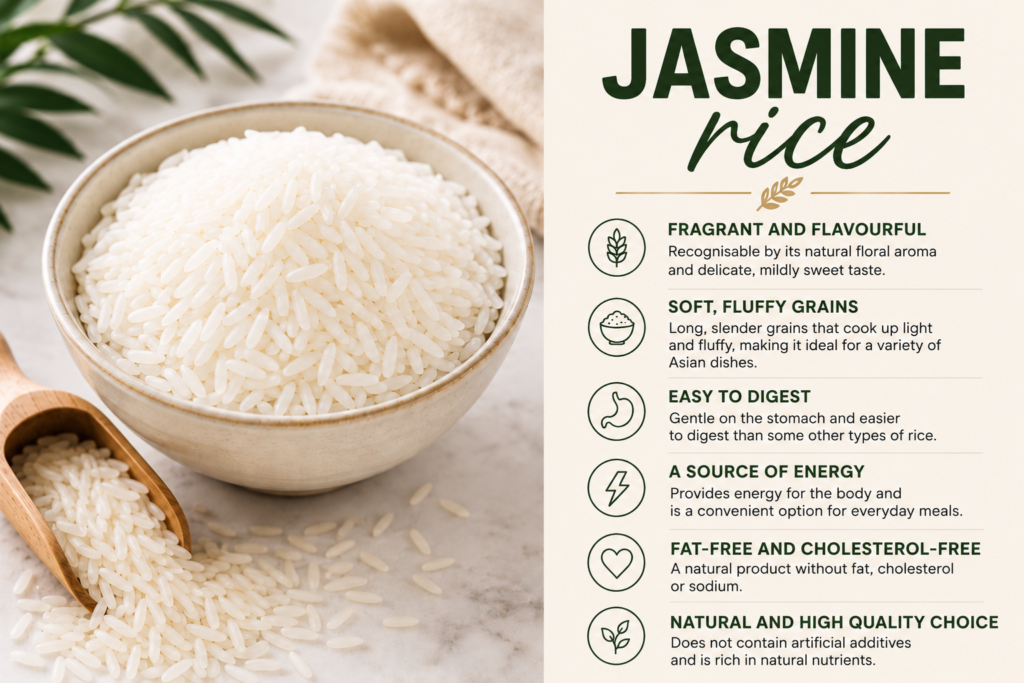
Jasmine rice is an aromatic long-grain variety native to Southeast Asia known for its mild floral fragrance and soft, slightly sticky texture after cooking. Due to its pleasant taste, it is often used in various Asian dishes and simple side dishes that easily absorb spices and sauces.
In the context of insulin resistance and weight loss, jasmine rice has a slightly higher glycemic index compared to whole grain and wild types of rice, so it can raise blood sugar levels more quickly. Therefore, moderate intake and mandatory combination with proteins, fibers and healthy fats are recommended in order to moderate the glycemic response.
It is most often used with dishes with vegetables, chicken, fish and curry sauces, as well as in light Asian meals. When used occasionally and in controlled portions, it can be part of a varied diet, but it is not optimal as a basic daily grain for people working on insulin and body weight regulation.
HOW IS IT BEST TO PREPARE RICE?
The best way to prepare rice depends on the type, but there are basic rules that help make it tastier, healthier and easier to digest.
First , always wash rice well before cooking, especially white and jasmine rice, to remove excess starch and give it a looser texture. With whole grain, black or wild rice, soaking for 30–60 minutes (or longer) is often beneficial, as it shortens the cooking time and improves digestibility.
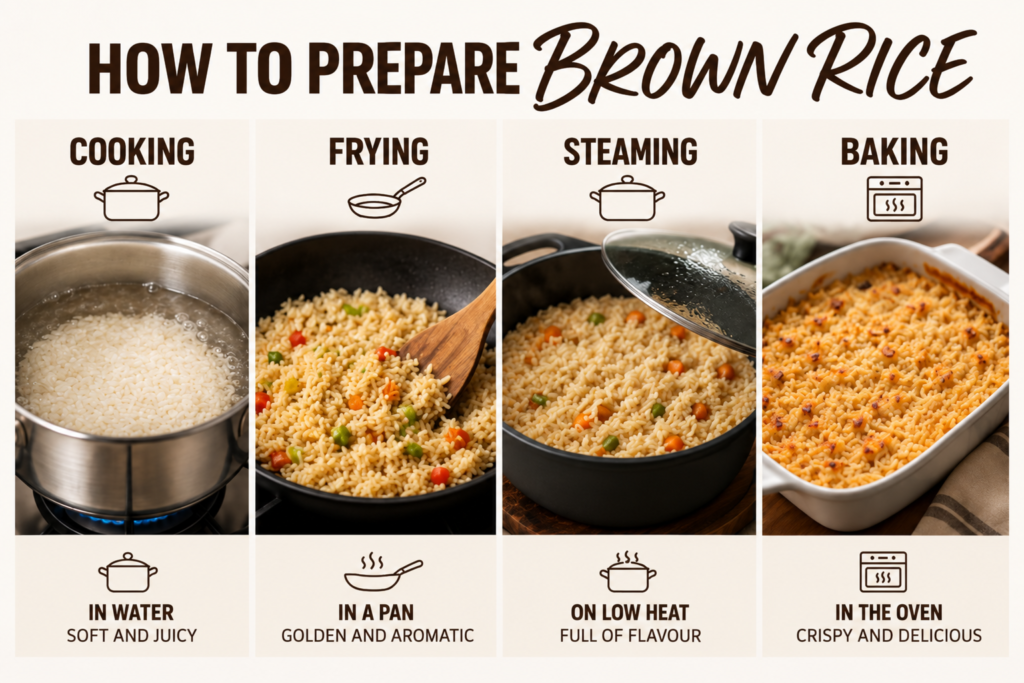
Second , the ratio of water to rice is key: for white rice, it is usually about 1:2, while brown rice and wild rice require more water and longer cooking. The healthiest way of preparation is cooking in water or lightly salted broth without frying, with the addition of a little olive oil only at the end, in order to preserve the nutritional value and avoid unnecessary addition of fat during thermal processing.
Third , it is important how rice is combined – the best effect on satiety and more stable blood sugar is when it is eaten with vegetables, proteins (chicken, fish, eggs, legumes) and healthy fats. This slows down the absorption of carbohydrates and the meal becomes more balanced, which is especially important for insulin resistance and weight control.
na linku ispod možete saznati koja ulja su idealna u pripremi obroka ..
Proper preparation of rice plays an important role in preserving its nutrients, but also in how the body will digest and use it. The method of cooking can affect the texture, glycemic response and overall nutritional quality of the meal.
In order to preserve as much nutritional value as possible , it is recommended to cook at a moderate temperature in an exact amount of water, without overcooking. In the case of integral and darker types of rice, it is important to avoid cooking for too long, because in this way part of the vitamins and minerals can be lost, while the fiber structure still remains important for slower digestion and better satiety.
Also, soaking rice before cooking (especially integral, black and wild rice) can contribute to better absorption of nutrients and shorter heat processing time. Finally, how the rice is combined in the meal is also important – with vegetables, proteins and healthy fats, you get a nutritionally balanced meal that supports more stable energy levels and better appetite control.
Frying rice and preservation of nutritional value
Frying rice is a preparation technique that is often used before cooking or as part of dishes such as risotto and Asian specialties. Briefly frying the grains in a small amount of fat (eg olive or sesame oil) can improve the taste and give the rice a more pleasant, slightly nutty aroma, but also affect the texture of the grains during cooking.
However, it is important to emphasize that excessive or long frying can increase the caloric value of the meal and reduce the nutritional “lightness” of the dish, especially for people who are concerned about insulin resistance and weight loss. That is why short and gentle frying is recommended, only until the rice becomes slightly glassy, without burning.
In the context of a healthier diet, cooking without frying is more often recommended, while frying is used occasionally, as a technique to improve taste, rather than as a basic method of preparation.
Steaming rice and preservation of nutritional value
Stewing rice is a preparation technique that involves a short thermal processing of the grain to a low fat content with the addition of liquid. It is often used as a prelude to further cooking, as it helps to give the rice a better aroma and to keep the grains looser after heat treatment. This method is most often used when preparing rice with vegetables, meat or as a base for risotto dishes.
From a nutritional point of view, sautéing with a moderate amount of fat can improve the taste and increase the satiety of the meal, but it is important not to overdo it with oil in order to keep the meal balanced, especially for people who are concerned about insulin resistance and body weight. Short stewing of onions and rice can contribute to a better structure and taste, without significantly impairing the nutritional quality of the dish.
In a healthier diet, mild stewing in stable fats such as olive oil is recommended, with the addition of vegetables and protein, which results in a complete and balanced meal that raises blood sugar more slowly and maintains the feeling of satiety for longer.
Roasting rice and preservation of nutritional value
Baking rice is a method of preparation that is most often used in combination with other ingredients, when rice is thermally processed in the oven or as part of complex dishes. This method allows the flavors to connect better, and the rice gets a slight firmness and a specific texture, especially in dishes with vegetables, meat or sauces.
On the nutritional side, baking can be a good choice because it does not require large amounts of fat, but it is important to take care of the additives used in the dish (oils, cream, fatty sauces). For insulin resistance and weight loss, baked rice is a better choice when prepared with vegetables and lean protein, because then the meal remains balanced and does not result in an excessive caloric load.
In a healthier diet, it is recommended to bake in the oven with a minimum of oil and with the addition of fibrous foods, which helps slow blood sugar fluctuations and better satiety after a meal.
PROGRAMI ZA INSULINSKU REZISTENCIJU IR PRO
kompletan program za zdravlje i dobar izgled, prijavite se...