
Healthy flour options
- By PROGRAMI MRŠAVLJENJA
- In HEALTH, NUTRITION
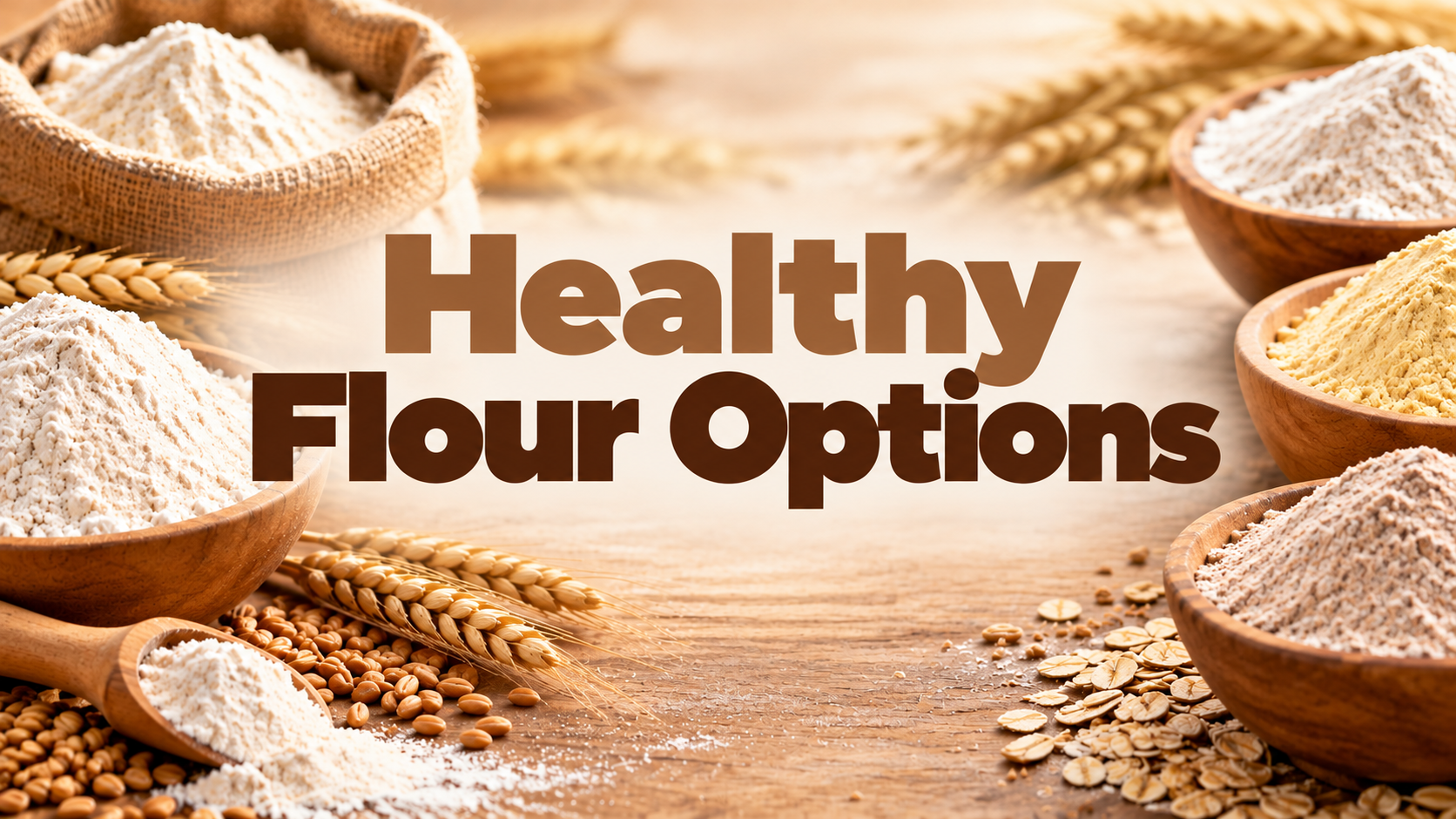
Flour is a staple ingredient in kitchens around the world. It is used to make bread, pasta, pancakes, pastries, and many other everyday foods. Although wheat flour is one of the most common choices, flour can also be made from oats, rice, buckwheat, almonds, chickpeas, and other ingredients. Each type has a different nutritional profile, taste, and texture.
Choosing healthy flour options can help you improve the nutritional value of your meals. Some flours provide more fiber, while others contain more protein, healthy fats, or minerals. Whole grain flours retain more of the grain’s natural nutrients than refined varieties. Understanding these differences can help you choose flour that suits your dietary needs, cooking habits, and health goals.
INTEGRAL FLOUR
Whole wheat flour, also known as wholemeal flour, is made by grinding the entire wheat grain, including the bran, germ, and endosperm. This is what distinguishes whole wheat flour from white flour. During the production of white flour, the bran and germ are removed, leaving mainly the starchy endosperm. As a result, whole wheat flour retains more dietary fiber, vitamins, minerals, and other natural nutrients.
Whole wheat flour has a darker color, a slightly nutty flavor, and a denser texture than white flour. Its higher fiber content supports healthy digestion and helps you feel full for longer. It is a nutritious choice for making bread, pancakes, muffins, and other baked goods. Replacing some white flour with whole wheat flour is a simple way to increase fiber intake and improve the nutritional value of everyday meals.
CHICKPEA FLOUR
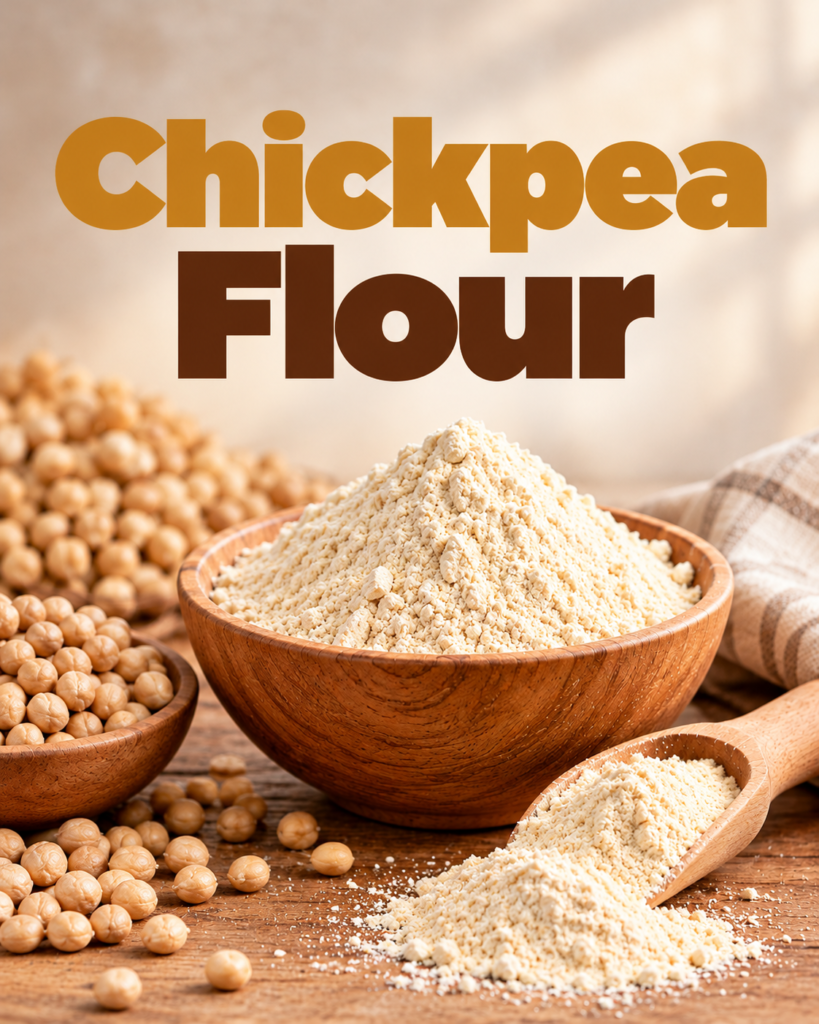
Chickpea flour is made from ground dried chickpeas and differs from wheat flour in its nutritional composition. It is naturally gluten-free and provides plant-based protein, dietary fiber, and minerals such as iron and magnesium. Its protein and fiber content makes it a nutritious option for people looking to add more plant-based foods to their diet.
Chickpea flour has a slightly nutty, earthy flavor and a denser texture than regular white flour. It works particularly well in savory recipes, including flatbreads, pancakes, vegetable fritters, and crackers. Unlike wheat flour, it does not contain gluten, so it cannot provide the same elasticity in yeast-based dough. It is best used in recipes designed for chickpea flour or combined with other flours to achieve the desired texture.
Chickpea flour is recommended for:
Vegetarians and vegans – provides plant-based protein.
People managing their weight – protein and fiber help promote fullness.
People looking to increase fiber intake – supports healthy digestion.
People following a gluten-free diet – naturally gluten-free when protected from cross-contamination.
People reducing refined flour – offers a nutritious alternative to white wheat flour.
People seeking more balanced meals – adds protein, fiber, and minerals to everyday recipes.
OAT FLOUR
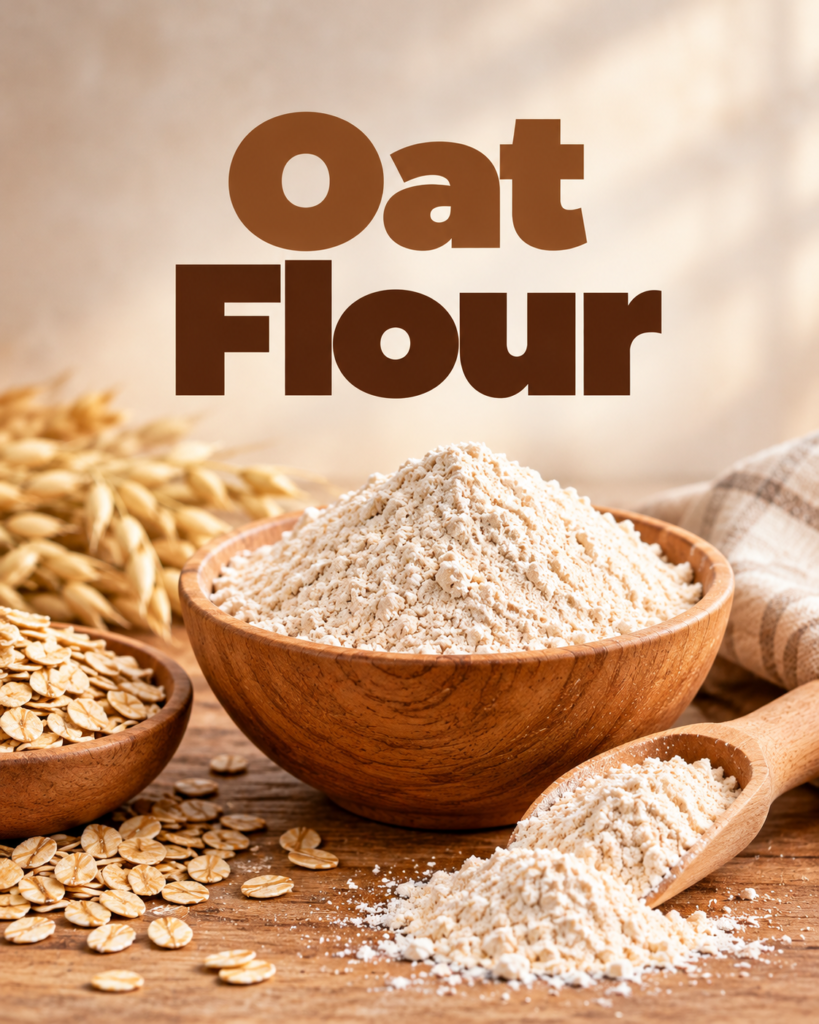
Oat flour is made from finely ground oats and is a good source of dietary fiber, including beta-glucan, a type of soluble fiber. It also contains plant–based protein, vitamins, and minerals. Compared with refined white flour, oat flour offers more fiber and can help make meals more filling. It has a mild, slightly nutty flavor that works well in both sweet and savory recipes.
Oat flour is commonly used to prepare pancakes, muffins, cookies, bread, and other baked goods. It can be used on its own in some recipes or combined with other flours to improve texture. Since oat flour does not provide the same structure as wheat flour, recipes may need some adjustments. People following a gluten-free diet should choose certified gluten–free oat flour to reduce the risk of cross-contamination.
Who is oat flour recommended for?
People looking to increase fiber intake: Oat flour is a good source of dietary fiber, which supports normal digestion.
People who want to reduce refined flour: It provides a whole-grain alternative to refined white flour.
People following a balanced diet: It contributes fiber, plant-based protein, vitamins, and minerals.
People looking for more filling meals: Its fiber content can help increase satiety.
People following a gluten-free diet: Oat flour is suitable when specifically certified gluten-free to avoid cross-contamination.
People who enjoy homemade healthy baking: It is a useful option for pancakes, muffins, cookies, and other homemade recipes.
COCONUT FLOUR
Coconut flour is made from dried coconut flesh that is finely ground into flour. It is naturally gluten-free and contains a high amount of dietary fiber, along with plant–based protein and fats. Compared with refined white flour, coconut flour generally provides more fiber and has a distinct nutritional profile. It has a mild coconut flavor and a slightly sweet taste.
Coconut flour is commonly used in pancakes, muffins, cakes, cookies, and other baked goods. One of its main characteristics is its high absorbency, meaning it requires more liquid than conventional wheat flour. It cannot usually replace wheat flour in equal amounts, so recipes need specific adjustments. It is a useful alternative for people looking for gluten-free baking options, provided the product is free from cross–contamination.
RYE FLOUR
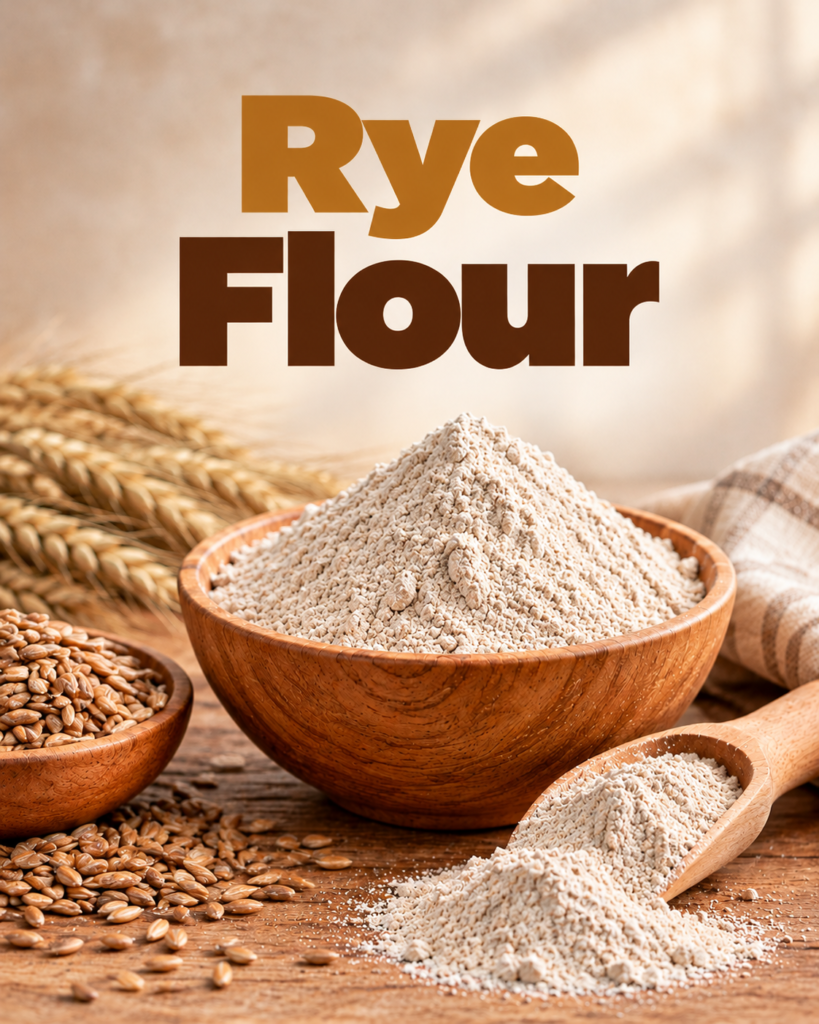
Rye flour is made from ground rye grains and is a good source of dietary fiber, vitamins, and minerals. Compared with refined white wheat flour, whole rye flour generally contains more fiber and provides a more nutrient-rich option. It has a distinctive, slightly earthy flavor and a denser texture. Rye flour is commonly used to make traditional breads and other baked goods.
Rye flour is particularly valued for its fiber content, which supports normal digestion and helps make meals more filling. It can be used on its own or combined with whole wheat flour to prepare bread, rolls, and other recipes. Although rye flour contains less gluten–forming protein than wheat flour, it is not gluten-free and is not suitable for people with celiac disease or those who need to avoid gluten.
Who is rye flour recommended for?
People who prefer whole-grain bread: Whole rye flour is a good option for preparing nutritious, fiber-rich bread.
People looking for alternatives to wheat flour: Rye adds variety to everyday meals and can be combined with whole wheat flour.
People who prefer hearty, dense baked goods: Rye flour is particularly suitable for traditional dark breads with a distinctive, earthy flavor.
People looking to increase fiber intake: Whole rye flour provides dietary fiber and can contribute to a more balanced diet.
MILLET FLOUR
Millet flour is made from finely ground millet grains. It is naturally gluten-free and provides dietary fiber, plant-based protein, and minerals such as magnesium and phosphorus. It has a mild, slightly nutty flavor and is a useful alternative to refined wheat flour. Whole–grain millet flour can add nutritional variety to everyday meals.
Millet flour is commonly used in pancakes, flatbreads, porridge, muffins, and other baked goods. Since it does not contain gluten, it cannot provide the same elasticity and structure as wheat flour. It is often combined with other flours to improve the texture of bread and pastries. It is a good option for people looking for gluten-free ingredients and more variety in their daily diet. Those following a strict gluten–free diet should choose products labeled gluten-free to avoid cross-contamination.
ALMOND FLOUR
Almond flour is made from finely ground almonds, usually blanched and without their skins. It is naturally gluten-free and provides plant-based protein, healthy monounsaturated fats, dietary fiber, and vitamin E. It also contains minerals such as magnesium. Compared with refined wheat flour, almond flour has a different nutritional profile, with more fat and protein and fewer carbohydrates. It has a mild, slightly sweet, nutty flavor.
Almond flour is commonly used in cakes, cookies, muffins, pancakes, and other baked goods. It adds moisture and creates a soft, slightly dense texture. Since it does not contain gluten, it cannot provide the same structure as wheat flour and is not always suitable as a direct replacement. It is often used in recipes specifically developed for almond flour. It is a suitable option for gluten–free baking, provided there is no almond allergy and the product is protected from cross-contamination.
TRY THESE RECIPES
When choosing flour for homemade bread, consider the flavor and texture you want to achieve. For sweet breads, oat, almond, and coconut flour are good options because they add a mild, slightly sweet or nutty flavor. Whole wheat flour can also be combined with these flours to create a softer, more balanced texture. For savory breads, whole wheat, rye, chickpea, and millet flour work well, adding a richer flavor and a more substantial texture. You can combine different flours to achieve the desired taste and consistency, depending on the recipe.

EASY BANANA BREAD
INGREDIENT:
2 ripe bananas
2 eggs
150 g oat flour
100 g whole wheat flour
120 g plain yogurt
50 ml olive oil
50 g honey
2 teaspoons baking powder
1 teaspoon cinnamon
A pinch of salt
40 g chopped walnuts (optional)
PREPARATION:
Preheat the oven to 180°C and line a loaf pan with baking paper.
Mash the bananas in a large bowl.
Add the eggs, yogurt, olive oil, and honey. Mix well.
Add the oat flour, whole wheat flour, baking powder, cinnamon, and salt. Stir until combined.
Fold in the chopped walnuts.
Pour the mixture into the loaf pan and bake for 40–45 minutes.
Allow to cool before slicing.
Serving suggestion: Serve with Greek yogurt, fresh fruit, or a little nut butter.
SAVORY BREAD WITH CHEESE AND HERBS
INGREDIENT:
200 g whole wheat flour
50 g chickpea flour
2 eggs
200 ml plain yogurt
60 ml olive oil
100 g feta cheese
1 teaspoon baking powder
1/2 teaspoon salt
1 teaspoon dried oregano
A handful of fresh spinach (optional)
PREPARATION:
Preheat the oven to 180°C and line a loaf pan with baking paper.
In a large bowl, whisk the eggs, yogurt, and olive oil.
Add the whole wheat flour, chickpea flour, baking powder, salt, and oregano. Mix until combined.
Crumble the feta cheese and add it to the mixture. Stir in the chopped spinach, if using.
Pour the mixture into the prepared loaf pan and spread evenly.
Bake for 40–45 minutes, until golden brown and cooked through.
Allow the bread to cool slightly before slicing.
Serving suggestion: Serve with plain yogurt, fresh tomatoes, or cucumber.
Homemade bread can be both delicious and nutritious when prepared with a variety of flour options. Whether you prefer sweet banana bread or savory bread with cheese and herbs, choosing whole-grain and alternative flours can add fiber, protein, and other valuable nutrients to your meals. Experiment with different combinations of flour to discover new flavors and textures that suit your preferences. Small changes in everyday recipes can help you enjoy a more varied and balanced diet.

You may also like

NUT & SEED BUTTERS
- November 12, 2026
- by PROGRAMI MRŠAVLJENJA
- in FOOD

Carrots and Beta Carotene: Health Benefits