NUT & SEED BUTTERS
- By PROGRAMI MRŠAVLJENJA
- In FOOD, HEALTH

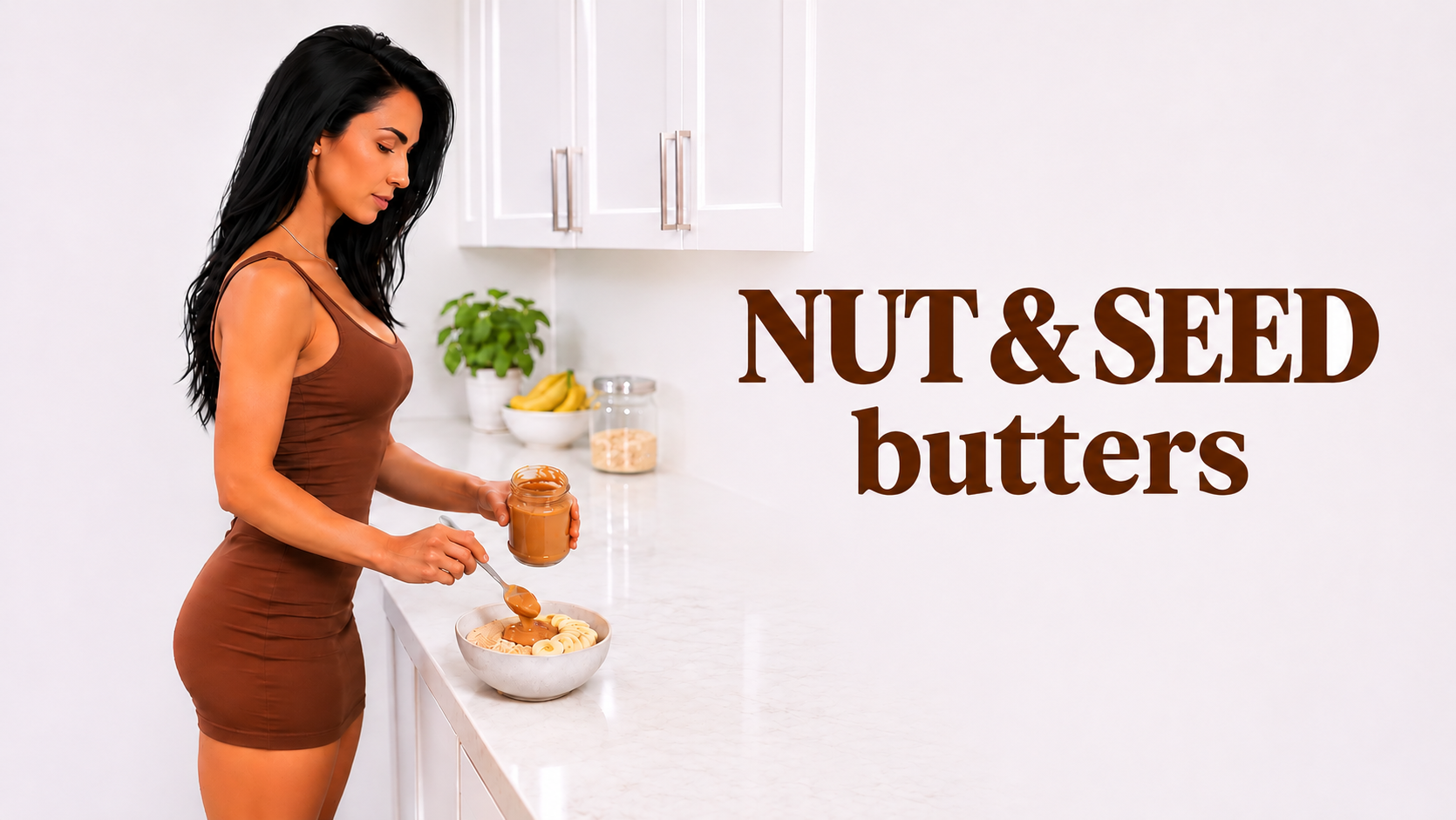
Nut and seed butters are creamy, nutrient-rich spreads made by grinding nuts or seeds until their natural oils create a smooth or crunchy texture. Popular varieties include peanut butter, almond butter, cashew butter, sunflower seed butter, and tahini. Each offers a unique flavor and nutritional profile, making these spreads a versatile addition to a healthy, balanced diet. Depending on the ingredients, they provide valuable nutrients such as unsaturated fats, plant-based protein, fiber, vitamins, and minerals.
Beyond their nutritional value, nut and seed butters are easy to incorporate into everyday meals. They can be spread on whole-grain toast, blended into smoothies, stirred into oatmeal, or used to prepare sauces and dressings. However, their nutritional quality depends on the ingredients and portion size. Choosing natural nut and seed butters without added sugars or unnecessary ingredients can help you enjoy their benefits while maintaining a balanced energy intake.
HEALTH BENEFITS OF NUT & SEED BUTTERS
Nut and seed butters can contribute to a balanced diet by providing essential nutrients that support normal body functions. They are particularly rich in unsaturated fats, which can help maintain healthy cholesterol levels when they replace foods high in saturated fats. Many varieties also contain plant-based protein, dietary fiber, magnesium, vitamin E, and other micronutrients that support muscle function, energy metabolism, and overall health. Their combination of fats, protein, and fiber may also promote satiety, helping you feel satisfied between meals.
Including nut and seed butters in your diet can also increase nutritional variety, particularly in plant-based eating patterns. Different nuts and seeds offer distinct nutrient profiles, making it beneficial to alternate between varieties rather than relying on just one. Although these spreads are nutrient-dense, they are also calorie-dense, so portion awareness is important. A serving of approximately one to two tablespoons can be a practical starting point, depending on individual energy needs and the composition of the meal.
PEANUT BUTTER
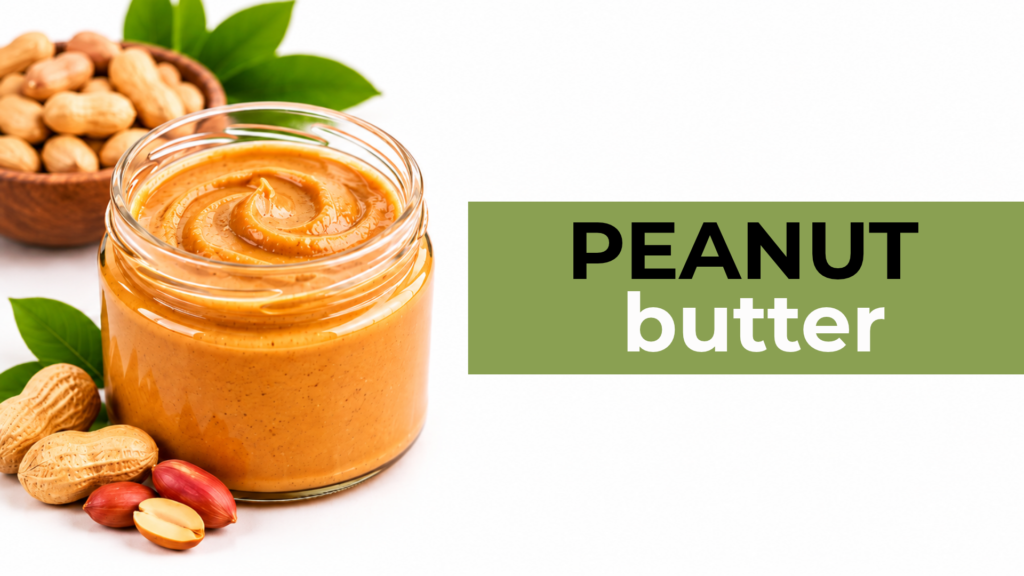
Peanut butter is one of the most popular nut-based spreads, made from roasted peanuts ground into a smooth or crunchy consistency. Although peanuts are technically legumes, they have a nutritional profile similar to many tree nuts. Natural peanut butter is a source of plant-based protein, unsaturated fats, fiber, magnesium, and vitamin E, making it a nutritious addition to a balanced diet. Its rich, slightly roasted flavor makes it a versatile ingredient in both sweet and savory dishes, from breakfast spreads and smoothies to sauces and homemade snacks.
Peanut butter banana overnight oats
Ingredients:
½ cup rolled oats
½ cup milk or unsweetened plant-based milk
1 tablespoon natural peanut butter
½ ripe banana, sliced
1 teaspoon chia seeds
A pinch of cinnamon
Preparation:
Combine the oats, milk, peanut butter, chia seeds, and cinnamon in a jar. Stir well, cover, and refrigerate overnight. In the morning, top with fresh banana slices and enjoy a fiber-rich breakfast with plant-based protein and healthy fats.
HAZELNUT BUTTER
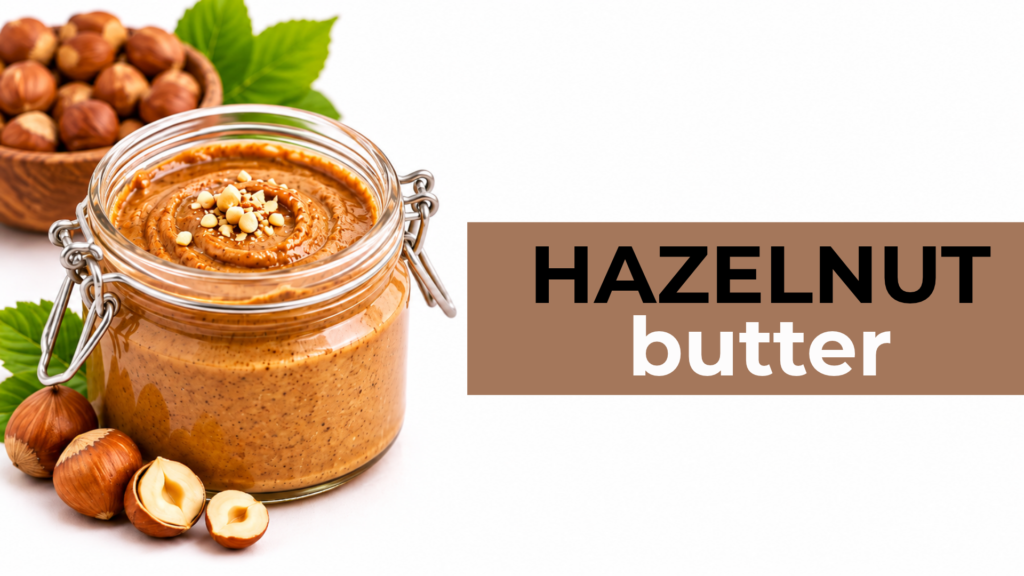
Hazelnut butter is a rich, creamy spread made from finely ground roasted hazelnuts, known for its naturally sweet, nutty flavor and smooth texture. It is an excellent source of monounsaturated fats and provides vitamin E, manganese, copper, and dietary fiber, which contribute to a nutritious, balanced diet. Unlike many commercial chocolate-hazelnut spreads, natural hazelnut butter contains no added sugar when made exclusively from hazelnuts. Its distinctive flavor pairs well with fruit, oatmeal, whole-grain toast, and homemade desserts, making it a versatile ingredient for both breakfast and healthy snacks.
Preparation:
Toast the bread until golden and spread with hazelnut butter. Arrange the apple slices on top, sprinkle with cinnamon, and finish with chopped hazelnuts. Serve immediately for a fiber-rich breakfast that combines whole grains, fruit, and healthy fats.
Hazelnut butter apple toast
Ingredients:
2 slices of whole-grain bread
1 tablespoon natural hazelnut butter
½ apple, thinly sliced
¼ teaspoon cinnamon
1 teaspoon chopped hazelnuts
PISTACHIO BUTTER
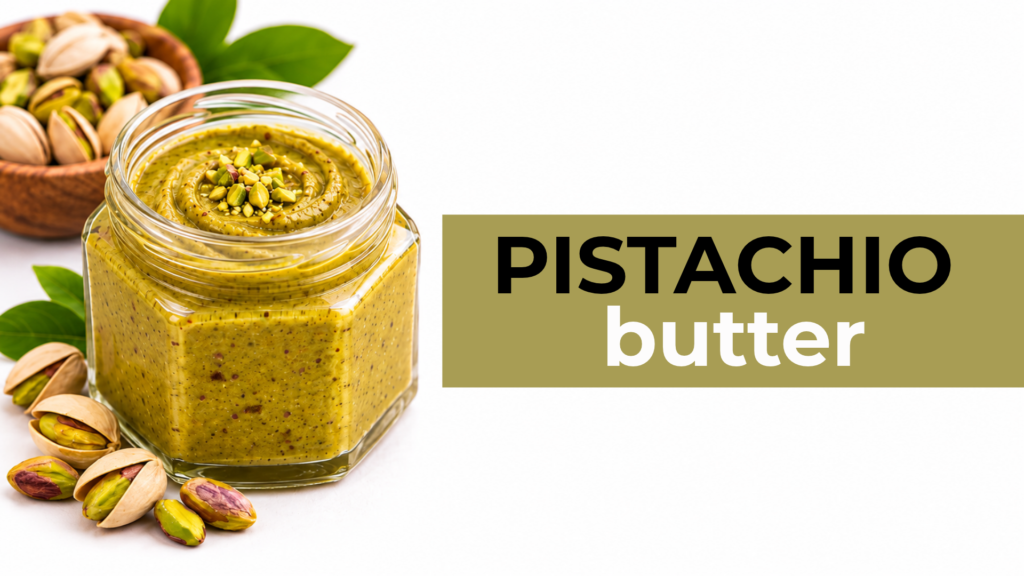
Pistachio butter is a smooth, flavorful spread made from finely ground pistachios, recognized for its distinctive green color and naturally rich, slightly sweet taste. It provides unsaturated fats, plant-based protein, dietary fiber, vitamin B6, potassium, and copper, making it a nutritious addition to a balanced diet. Pistachios also contain lutein and zeaxanthin, carotenoid antioxidants that contribute to eye health. Natural pistachio butter, made without added sugar or oils, can be enjoyed with whole-grain toast, yogurt, fresh fruit, or oatmeal, while its delicate flavor also complements homemade desserts and savory sauces.
Pistachio butter yogurt bowl
Ingredients:
¾ cup plain Greek yogurt
1 tablespoon natural pistachio butter
½ cup fresh raspberries
2 tablespoons rolled oats
1 teaspoon chopped pistachios
Preparation:
Spoon the Greek yogurt into a bowl and swirl in the pistachio butter. Add fresh raspberries and rolled oats, then sprinkle with chopped pistachios. Serve immediately for a protein-rich breakfast with fiber, unsaturated fats, and a delicious combination of creamy and crunchy textures.
PUMPKIN SEED BUTTER
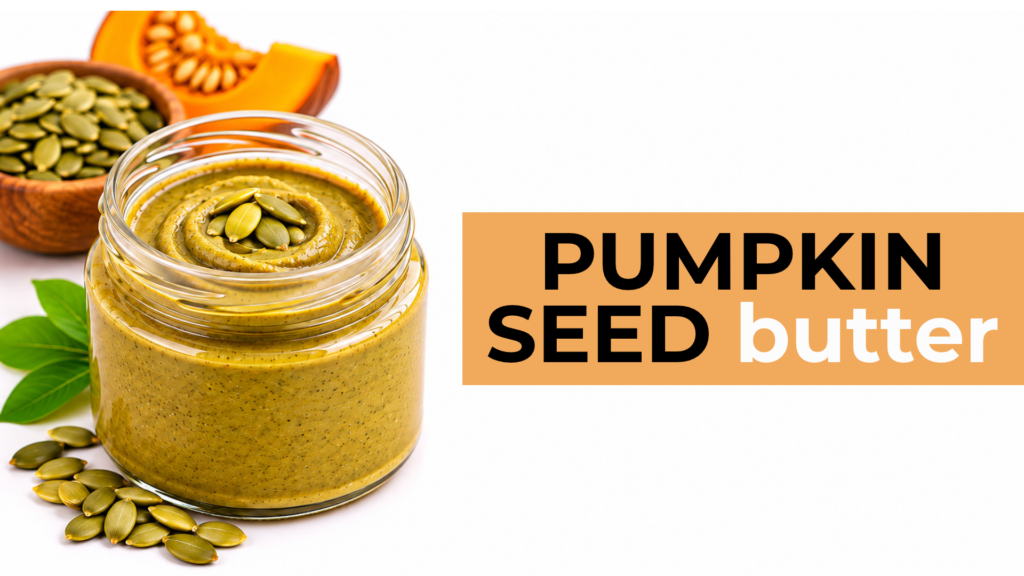
Pumpkin seed butter is a creamy, earthy-flavored spread made from finely ground pumpkin seeds, also known as pepitas. It is a nutritious source of plant-based protein, unsaturated fats, magnesium, zinc, iron, and phosphorus, providing nutrients that support normal muscle function, immune health, and energy metabolism. Its naturally green color and slightly savory taste distinguish it from sweeter nut butters, making it particularly suitable for savory recipes. Natural pumpkin seed butter, made without added sugar or unnecessary oils, can be added to salad dressings, vegetable dips, whole-grain toast, or smoothies for extra flavor and nutritional value.
Preparation:
Toast the bread until golden and spread with pumpkin seed butter. Mash the avocado with lemon juice and black pepper, then spoon it over the toast. Sprinkle with pumpkin seeds and serve immediately for a nutrient-dense breakfast rich in unsaturated fats, fiber, and essential minerals.
Pumpkin seed butter avocado toast
Ingredients:
2 slices of whole-grain bread
1 tablespoon natural pumpkin seed butter
½ ripe avocado
1 teaspoon fresh lemon juice
A pinch of black pepper
1 teaspoon pumpkin seeds
SESAME BUTTER
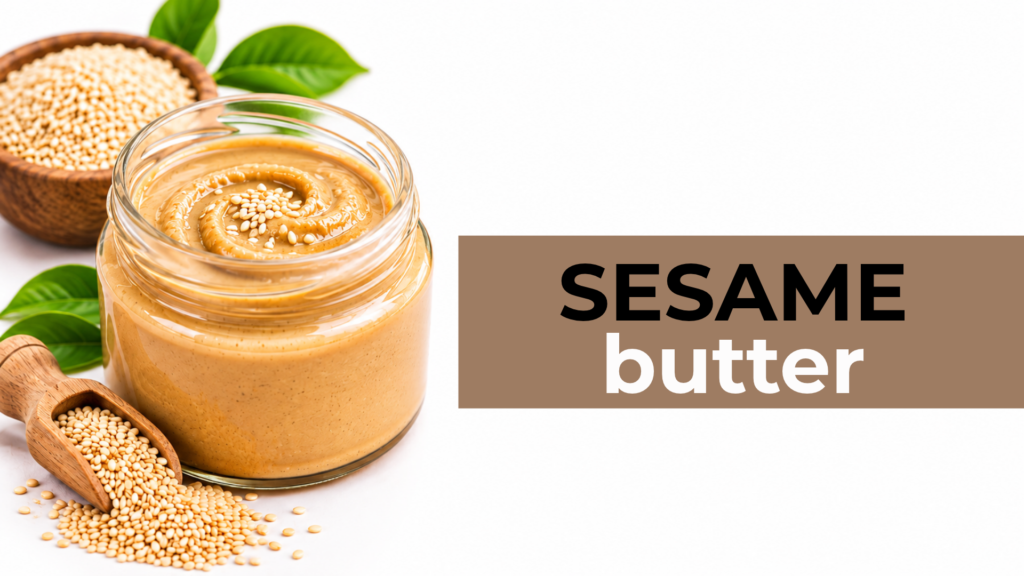
Sesame butter, commonly known as tahini, is a smooth, creamy paste made from ground sesame seeds, with a rich, nutty flavor and a slightly bitter undertone. It provides unsaturated fats, plant-based protein, calcium, copper, iron, and magnesium, although its mineral content varies depending on whether hulled or unhulled seeds are used. Sesame seeds also contain sesamin and sesamolin, naturally occurring lignans with antioxidant properties. Natural tahini, made without added sugar or unnecessary oils, is a versatile ingredient in both sweet and savory recipes, including hummus, salad dressings, sauces, and breakfast spreads.
Tahini banana breakfast toast
Ingredients:
2 slices of whole-grain bread
1 tablespoon natural tahini
½ ripe banana, sliced
1 teaspoon honey
A pinch of cinnamon
1 teaspoon sesame seeds
Preparation:
Toast the bread until golden and spread evenly with tahini. Arrange the banana slices on top, drizzle lightly with honey, and sprinkle with cinnamon and sesame seeds. Serve immediately for a nutritious breakfast that combines whole grains, fiber, unsaturated fats, and natural sweetness.
SUNFLOWER SEED BUTTER
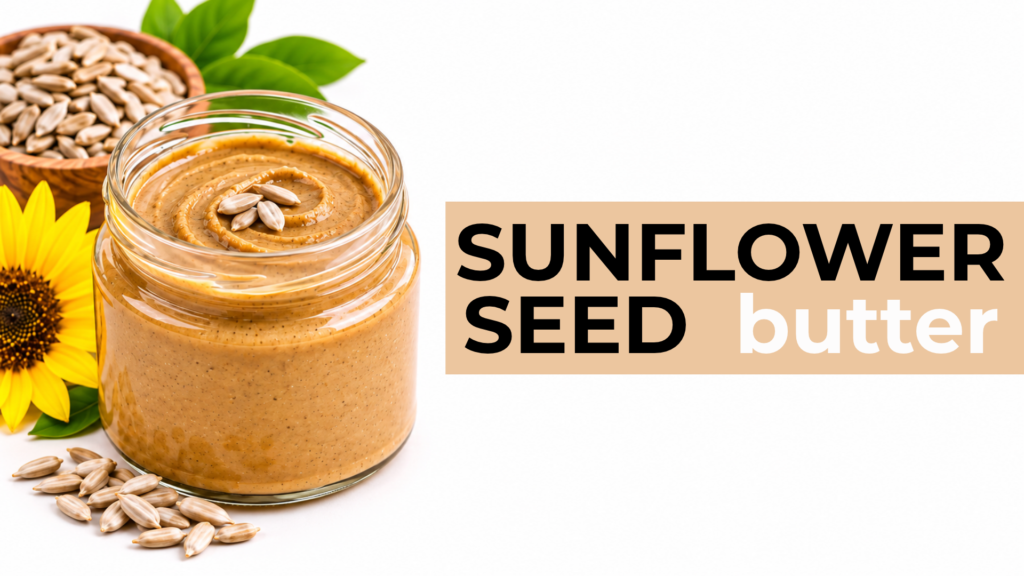
Sunflower seed butter is a creamy, nutrient-dense spread made from finely ground sunflower seeds, with a mild, earthy flavor and a slightly roasted taste. It is a valuable source of unsaturated fats, plant-based protein, vitamin E, magnesium, selenium, and dietary fiber, providing nutrients that contribute to normal immune function, antioxidant protection, and overall health. As a tree nut-free alternative, sunflower seed butter is a practical option for people with tree nut allergies, provided the product is free from relevant allergen cross-contact. Natural sunflower seed butter, made without added sugar or unnecessary oils, works well in smoothies, oatmeal, whole-grain sandwiches, salad dressings, and homemade energy snacks.
Preparation:
Add the banana, blueberries, sunflower seed butter, milk, rolled oats, and cinnamon to a blender. Blend until smooth and creamy, adding a little more milk if needed. Serve immediately for a nutrient-rich breakfast smoothie that provides fiber, unsaturated fats, and plant-based nutrients.
Sunflower seed butter breakfast smoothie
Ingredients:
1 tablespoon natural sunflower seed butter
1 small banana
½ cup frozen blueberries
¾ cup unsweetened milk or fortified plant-based milk
2 tablespoons rolled oats
¼ teaspoon cinnamon
ALMOND BUTTER
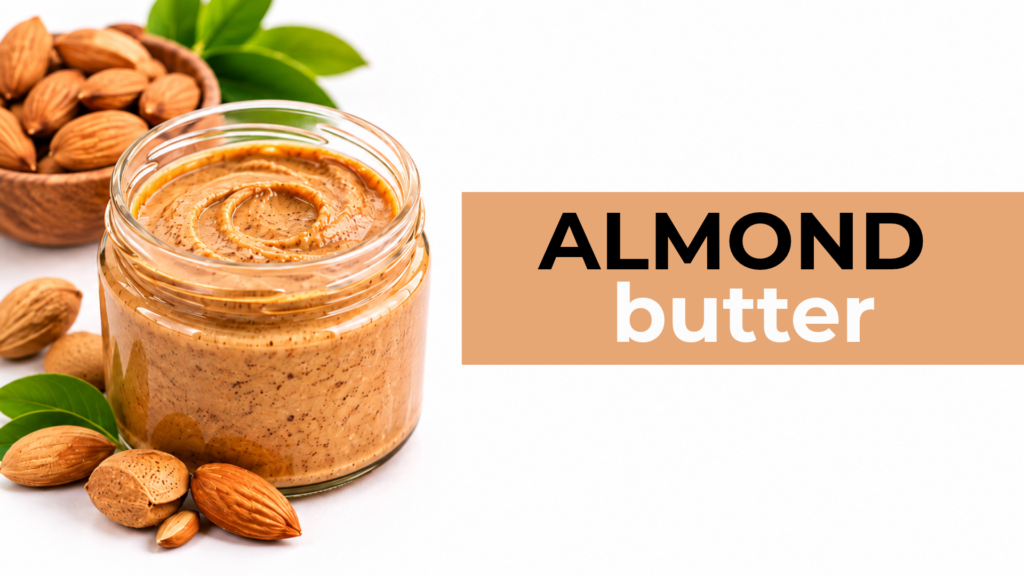
Almond butter is a smooth, creamy spread made from finely ground raw or roasted almonds, with a mild, naturally sweet flavor and a rich, nutty aroma. It is a valuable source of monounsaturated fats, plant-based protein, vitamin E, magnesium, calcium, and dietary fiber, providing nutrients that contribute to normal muscle function, bone health, and antioxidant protection. Its high vitamin E content makes it particularly notable among nut butters, while its combination of fats, protein, and fiber can help promote satiety. Natural almond butter, made without added sugar or unnecessary oils, pairs well with fresh fruit, oatmeal, smoothies, and whole-grain bread, making it a versatile choice for breakfast and snacks.
Almond butter chia pudding
Ingredients:
2 tablespoons chia seeds
½ cup unsweetened milk or fortified plant-based milk
1 tablespoon natural almond butter
½ teaspoon vanilla extract
½ cup fresh strawberries, sliced
1 teaspoon sliced almonds
Preparation:
Combine the chia seeds, milk, almond butter, and vanilla extract in a jar or bowl. Stir thoroughly, let stand for 5 minutes, then stir again to prevent clumping. Cover and refrigerate for at least 2 hours or overnight until thickened. Top with fresh strawberries and sliced almonds for a fiber-rich breakfast containing unsaturated fats, plant-based protein, and essential minerals.
CASHEW BUTTER
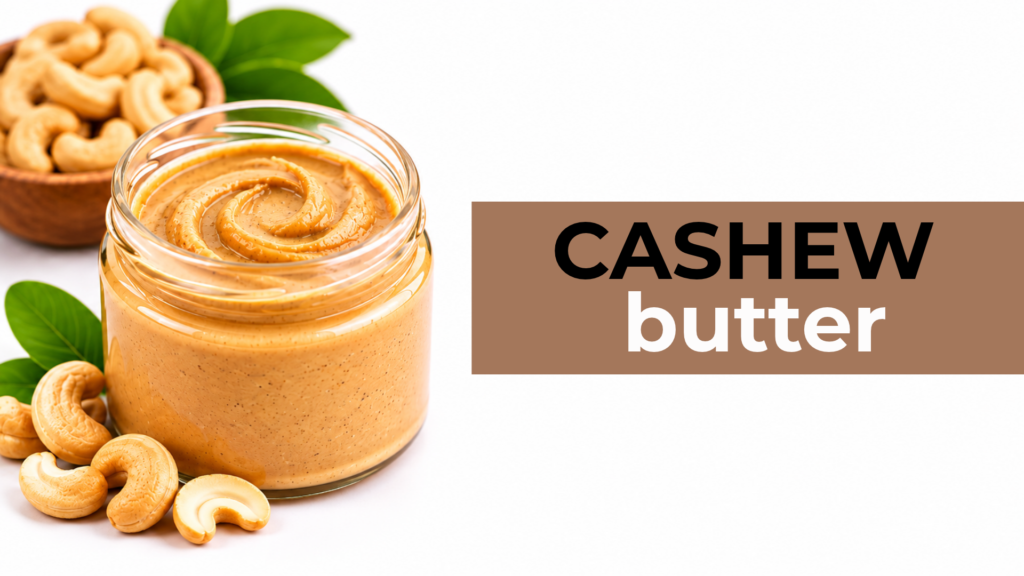
Cashew butter is a smooth, creamy spread made from finely ground cashews, known for its delicate, slightly sweet flavor and naturally velvety texture. It provides unsaturated fats, plant-based protein, copper, magnesium, zinc, and iron, nutrients that contribute to normal energy metabolism, immune function, and overall health. Its particularly creamy consistency makes natural cashew butter a versatile ingredient in both sweet and savory dishes. It can be blended into smoothies, stirred into oatmeal, or used to prepare creamy sauces, salad dressings, and dairy-free desserts without relying on heavy cream.
Preparation:
Combine the oats and milk in a small saucepan and cook over medium-low heat for 5–7 minutes, stirring occasionally until creamy. Remove from the heat and stir in the cashew butter and cinnamon. Transfer to a bowl, top with diced pear and ground flaxseeds, and serve warm for a fiber-rich breakfast with unsaturated fats and essential minerals.
Cashew butter pear oatmeal
Ingredients:
½ cup rolled oats
1 cup milk or unsweetened plant-based milk
1 tablespoon natural cashew butter
½ ripe pear, diced
¼ teaspoon cinnamon
1 teaspoon ground flaxseeds
NUT & SEED BUTTERS: NUTRITIONAL COMPARISON
The nutritional comparison of nut and seed butters highlights important differences in their calorie, protein, fat, and fiber content. While pumpkin seed butter generally provides more protein, almond and hazelnut butters are notable for their healthy fats and fiber. Despite these differences, all varieties are energy-dense, making portion size an important consideration. Understanding their nutritional profiles can help you choose the most suitable option based on your dietary preferences, nutritional needs, and health goals.
Nut or seed butter | Calories (kcal) | Protein (g) | Total fat (g) | Fiber (g) |
|---|---|---|---|---|
Peanut butter | 590 | 25 | 50 | 6 |
Hazelnut butter | 630 | 15 | 61 | 10 |
Pistachio butter | 570 | 20 | 45 | 10 |
Pumpkin seed butter | 590 | 30 | 49 | 6 |
Sesame butter (tahini) | 595 | 17 | 54 | 9 |
Sunflower seed butter | 620 | 19 | 55 | 7 |
Almond butter | 615 | 21 | 56 | 10 |
Cashew butter | 590 | 18 | 49 | 3 |
*Approximate values per 100 g, rounded for comparison. These are indicative estimates rather than verified values for specific brands.
CHOOSING THE RIGHT NUT & SEED BUTTER
Incorporating a variety of nut and seed butters into your daily meals is a simple way to add flavor, essential nutrients, and diversity to your diet. From protein-rich peanut and pumpkin seed butters to vitamin E-rich almond and sunflower seed butters, each variety offers distinct nutritional advantages. Hazelnut, pistachio, cashew, and sesame butters provide additional options for creating nutritious breakfasts, snacks, and savory dishes. Rather than focusing on a single variety, choosing different spreads can help you enjoy a broader range of nutrients while keeping your meals interesting and satisfying.
When selecting the healthiest nut and seed butter for your needs, prioritize products made primarily from nuts or seeds, with minimal added sugar, salt, or oils. Pay attention to portion sizes, as even nutrient-rich spreads are calorie-dense, and always check allergen information when necessary. Whether your goal is to increase plant-based protein, include more healthy fats, or simply improve the nutritional quality of your meals, these versatile spreads can fit into a balanced, sustainable eating pattern. The best choice is one that matches your nutritional needs, personal preferences, and overall dietary habits.
Download your free nut & seed butter guide
Discover the nutritional benefits of different nut and seed butters, explore practical tips for choosing healthier options, and find delicious ways to include them in your daily meals. Download our free guide for easy-to-follow information and inspiration for a balanced diet.
- Share:
You may also like

Healthy flour options
- October 29, 2026
- by PROGRAMI MRŠAVLJENJA
- in HEALTH
Carrots and Beta Carotene: Health Benefits